
Yoga and Pilates Studio Flooring: Comfort, Safety & Style Combined
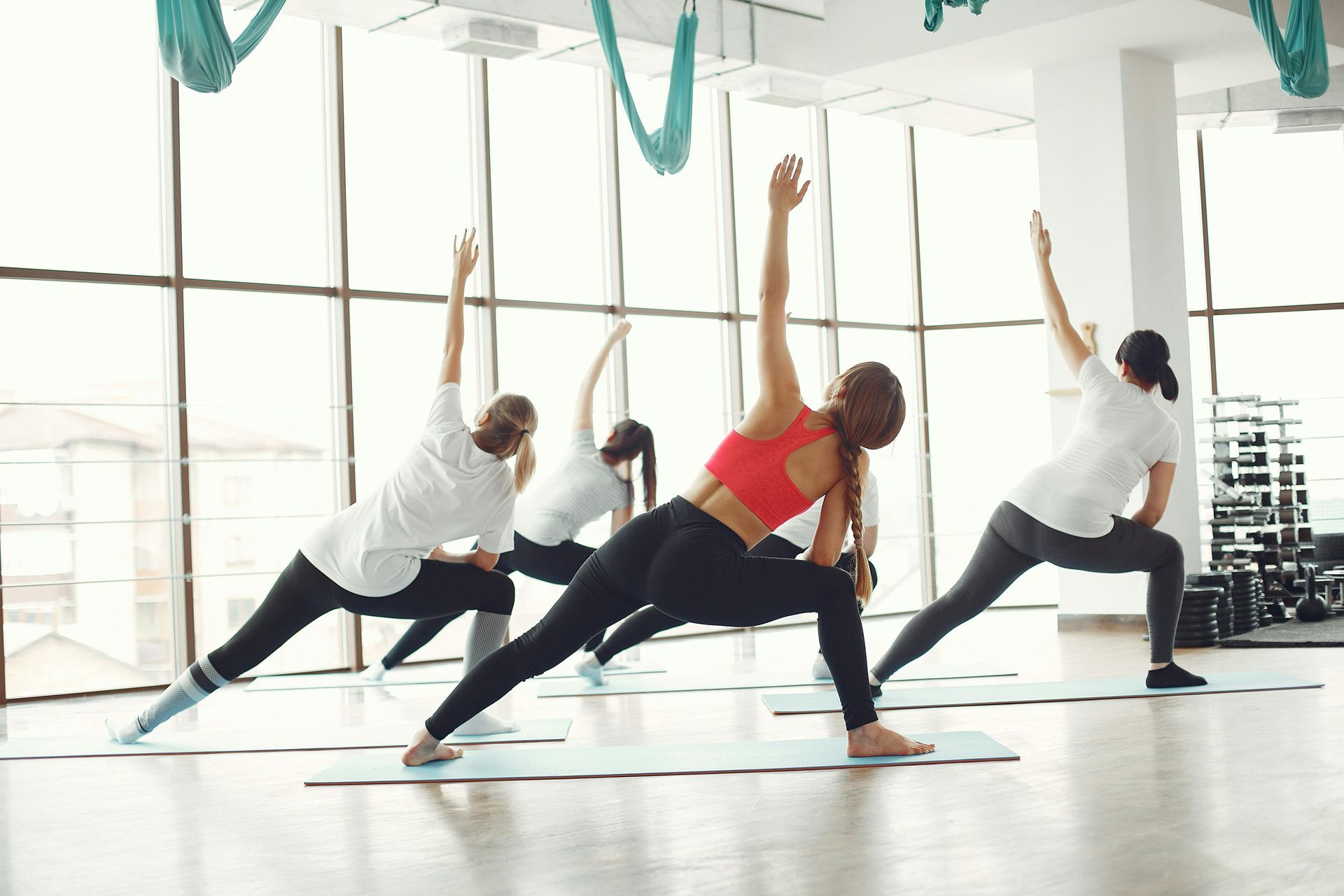
Your yoga or Pilates studio is more than a training space—it's a sanctuary. Members come seeking not just physical practice but mental calm, body awareness, and refuge from daily stress. Every element contributes to this experience, and few elements matter more than what's beneath their feet.
The wrong flooring creates discomfort during floor poses, looks clinical rather than calming, shows dirt constantly, or transmits noise to spaces below. The right flooring enhances practice quality, creates the aesthetic atmosphere your brand requires, maintains hygiene effortlessly, and provides the perfect balance of cushioning and stability.
This comprehensive guide helps yoga and Pilates studio owners choose flooring that supports both the physical practice and the mindful experience your members seek.
Why Studio Flooring Differs from Traditional Gym Flooring
Yoga and Pilates studios have fundamentally different requirements than strength training or cardio facilities.
The Nature of Movement
Traditional gyms: Heavy impact, dropped weights, equipment with metal contact points, shoes worn throughout
Yoga and Pilates studios:
- Slow, controlled movements requiring stable surfaces
- Barefoot practice demanding comfortable, clean surfaces
- Extended floor contact during poses and exercises
- Minimal impact but maximum surface interaction
- Body weight as primary resistance
These differences demand completely different flooring characteristics.
Contact Time and Surface Feel
In strength training gyms: Equipment touches floor briefly during reps. Members stand in limited areas. Surface texture and temperature matter less.
In yoga and Pilates: Members spend 60-75 minutes in direct contact with flooring. Hands, knees, hips, backs, and bare feet touch surfaces constantly. Comfort and cleanliness are paramount.
Aesthetic and Atmosphere Requirements
Traditional gyms: Industrial aesthetic often acceptable. Functional appearance suffices. Black rubber flooring is standard.
Yoga and Pilates studios: Aesthetic directly impacts member experience and retention. Calming, natural, or elegant appearance essential. Flooring contributes significantly to brand identity and atmosphere.
The Unique Requirements Summary
Studio flooring must deliver:
- Comfort for extended barefoot contact
- Stability for balance work without excessive softness
- Aesthetic appeal supporting calming environment
- Superior hygiene and easy cleaning
- Appropriate cushioning without compromising form
- Sound absorption for mindful practice
- Warmth underfoot (not cold like concrete or vinyl)
Finding the Perfect Balance: Cushioning vs Stability
The most critical flooring decision for yoga and Pilates spaces involves this fundamental trade-off.
Why Too Soft Fails
Excessive cushioning problems:
- Balance poses become unnecessarily challenging
- Form compromised in standing work
- Pilates reformer and equipment becomes unstable
- Reduces proprioceptive feedback needed for body awareness
- Can cause compensatory movement patterns
- Undermines the precision Pilates demands
Common mistake: Assuming "soft = comfortable" and choosing foam or very thick padding that compromises practice quality.
Why Too Hard Fails
Insufficient cushioning problems:
- Discomfort during floor-based poses (knees, hips, spine)
- Extended savasana becomes uncomfortable rather than restorative
- Joints stressed during transitions and movements
- Particularly problematic for older practitioners or those with injuries
- Reduces willingness to explore floor work fully
- Creates negative experience association
The Goldilocks Zone
Optimal studio flooring:
- Firm enough: Stable standing surface for balance work, equipment doesn't wobble
- Cushioned enough: Comfortable for extended floor contact, joints protected
- Responsive: Provides feedback for body awareness without being punishing
Thickness sweet spot: 5-10mm for most yoga and Pilates applications
- Thinner (5-7mm): More stability, suitable for Pilates-focused or hot yoga
- Thicker (8-10mm): More cushioning, suitable for restorative yoga or mixed classes
Material matters: High-density materials provide cushioning without excessive softness. Virgin rubber flooring offers superior balance compared to foam alternatives.
Testing for Your Studio
Before committing to full installation:
- Request samples from suppliers
- Test with actual yoga/Pilates movements
- Have instructors evaluate balance work stability
- Assess floor work comfort
- Consider diverse practitioner needs (beginners, advanced, older adults, those with injuries)
Creating Calming Aesthetics Through Flooring
Your studio's visual environment significantly impacts member experience and brand perception.
The Psychology of Studio Aesthetics
Why appearance matters:
- First impressions shape expectations and value perception
- Visual environment affects mental state and ability to relax
- Aesthetic coherence builds brand identity
- Instagram-worthy spaces drive social media marketing
- Pleasant environment increases member retention
Flooring's visual impact: Covers more surface area than any other design element, fundamentally defining studio appearance
Color Selection Strategy
Light and neutral tones (grey, beige, natural wood tones):
Advantages:
- Opens space visually, making studios feel larger
- Creates calm, peaceful atmosphere
- Versatile backdrop for varied décor
- Natural, organic feeling
- Professional, upscale appearance
Considerations:
- Shows dirt and wear more visibly
- Requires more frequent cleaning
- May show mat marks or scuffs
Best for: Premium studios, smaller spaces needing visual expansion, contemporary minimalist aesthetics
Mid-tones (medium grey, warm browns, muted earth tones):
Advantages:
- Balances visual openness with practicality
- Hides normal wear and traffic patterns
- Warm, welcoming feeling
- Works with diverse décor styles
- Easy to maintain appearance
Considerations:
- Less dramatic visual impact
- May feel ordinary without supporting design elements
Best for: Multi-purpose studios, budget-conscious operations, functional focus
Dark tones (charcoal, deep brown, black):
Advantages:
- Sophisticated, dramatic appearance
- Hides dirt and wear exceptionally well
- Creates intimate, cocooning atmosphere
- Low visible maintenance
Considerations:
- Can make smaller spaces feel cramped
- May feel heavy or serious rather than peaceful
- Shows dust and lint more visibly
- Can create dark Instagram photos without good lighting
Best for: Larger studios, hot yoga (hides sweat visibility), edgy or modern brand positioning
Texture and Visual Interest
Smooth surfaces:
- Clean, minimalist aesthetic
- Easy to clean and maintain
- Modern appearance
- Shows imperfections more readily
Subtle texture:
- Hides minor imperfections and wear
- Adds visual interest without business
- Natural, organic feel
- Still comfortable for floor work
Avoid: Heavy texture, visible patterns, or anything that draws attention away from practice
Complementary Design Elements
Flooring works with:
- Wall colors and treatments
- Natural light and artificial lighting
- Props, equipment, and storage solutions
- Plant life and natural elements
- Artwork and inspirational elements
Cohesive design principle: Flooring should support but not compete with overall studio aesthetic. It's the foundation, not the focal point.
Hygiene and Cleaning: Non-Negotiable Standards
Cleanliness directly impacts member health, satisfaction, and retention.
The Hygiene Challenge
Why studio flooring must be exceptionally clean:
- Barefoot practice means direct skin contact
- Hands and face touch floor regularly during practice
- Sweat transfer during hot yoga or intensive classes
- Multiple classes daily means continuous use
- Members have heightened sensitivity about cleanliness in wellness spaces
Consequences of poor hygiene:
- Skin infections or irritation
- Unpleasant odors
- Negative reviews and member complaints
- Health code violations in some jurisdictions
- Reputation damage difficult to repair
Material Hygiene Properties
Non-porous surfaces (essential for studios):
- Don't absorb sweat, oils, or liquids
- Bacteria and fungi can't penetrate surface
- Easy to sanitize effectively
- No lingering odors
- Long-term hygiene maintenance possible
Porous surfaces (avoid for yoga/Pilates):
- Absorb moisture and organic matter
- Harbor bacteria deep in material
- Difficult to sanitize fully
- Develop odors over time
- Hygiene degrades with use
Recommended studio flooring: High-density rubber with non-porous surface characteristics provides optimal hygiene properties.
Cleaning Protocol Requirements
Daily cleaning (after each class ideal, end of day minimum):
- Sweep or vacuum to remove dust and debris
- Damp mop with appropriate cleaner
- Spot clean any visible marks or spills
- Allow adequate drying before next class
Weekly deep cleaning:
- Thorough mopping with disinfectant
- Detailed attention to edges and corners
- Check under equipment and stored items
- Air out space completely
Monthly maintenance:
- Deep sanitization
- Inspect for any wear or damage
- Check grout lines or seams (if applicable)
- Professional cleaning consideration
Product Selection for Easy Maintenance
Choose flooring that:
- Resists staining from sweat and oils
- Cleans easily with standard products
- Dries quickly to minimize downtime
- Maintains appearance despite frequent cleaning
- Doesn't require specialized or expensive cleaning products
Avoid flooring requiring:
- Special maintenance products only available from manufacturer
- Professional cleaning more than quarterly
- Delicate treatment that's impractical for daily use
- Frequent resealing or refinishing
Barefoot-Friendly Surface Requirements
Unlike traditional gyms where shoes are standard, yoga and Pilates practice happens barefoot.
What Makes Surfaces Barefoot-Friendly
Temperature:
- Not cold to touch (concrete and vinyl tile fail this)
- Doesn't become uncomfortably warm under lights or in hot yoga
- Feels neutral or slightly warm naturally
Texture:
- Smooth enough to be comfortable
- Sufficient grip to prevent slipping
- Not rough or abrasive on skin
- No sharp edges or surface irregularities
Cleanliness perception:
- Looks clean (members scrutinize surfaces they'll touch barefoot)
- Feels clean (no tackiness, residue, or grit)
- Smells neutral (any odor creates negative perception)
Rubber Flooring Advantages
Quality rubber gym flooring excels for barefoot practice:
Natural warmth: Rubber doesn't feel cold like vinyl or concrete, more comfortable for extended contact
Appropriate grip: Provides traction without being sticky or rough
Comfort: Slight cushioning without excessive softness
Hygiene: Non-porous surface easy to keep clean
Durability: Withstands repeated barefoot traffic without degrading
Products Specifically Suited for Studios
Premium choice: Pavigym Performance+ 5mm
- Virgin rubber construction
- Smooth, comfortable surface
- Professional appearance
- Excellent for barefoot practice
- Available in studio-appropriate colors
Excellent balance: Pavigym Motion 9mm
- Ideal thickness for yoga/Pilates balance
- Comfortable cushioning
- Stable enough for equipment
- Professional performance
Budget-conscious: GFS Fitness Tiles
- Accessible entry point
- Good performance for smaller studios
- Adequate barefoot comfort
- Upgrade as business grows
Noise Control for Upper Floor Studios
Many yoga and Pilates studios occupy upper floor locations. Sound transmission becomes critical.
The Upper Floor Challenge
Sound transmission paths:
- Impact noise through floor to spaces below
- Footsteps during transitions and movements
- Equipment contact (reformers, props)
- Voice and music through structural elements
Consequences of inadequate soundproofing:
- Complaints from tenants below
- Restricted teaching/practice hours
- Legal disputes and potential eviction
- Stress contradicting studio's peaceful mission
- Limitation on music volume and class energy
Flooring's Role in Noise Control
Impact absorption: Quality flooring reduces sound transmission by absorbing impact energy rather than transmitting it through building structure.
Thickness matters for noise:
- 5-7mm: Minimal noise reduction
- 8-10mm: Moderate noise reduction, adequate for ground floor
- 15mm+: Significant noise reduction for upper floors
- 20mm+: Maximum protection for challenging situations
Material density: Higher density rubber absorbs more impact energy, reducing noise transmission better than lower density alternatives.
Comprehensive Soundproofing Approach
For upper floor studios, layer protection:
Base layer: Acoustic underlay (10-15mm)
- Specialized sound dampening material
- Installed between subfloor and surface flooring
- Significant noise reduction (10-15 decibels)
Surface layer: Premium studio flooring (8-10mm)
- Absorbs surface impacts
- Comfortable for practice
- Additional noise dampening
Combined system: 18-25mm total thickness providing comprehensive protection
Non-Flooring Noise Considerations
Also address:
- Music volume and bass frequencies
- Voice projection during instruction
- Equipment placement (away from shared walls)
- Class scheduling (avoid early morning/late evening if possible)
- Good neighbor communication and accommodation
Multi-Use Space Planning
Many studios serve multiple purposes, requiring versatile flooring solutions.
Common Multi-Use Scenarios
Yoga + Pilates: Most common combination
- Compatible needs
- Similar flooring requirements
- Shared equipment (mats, blocks, bolsters)
- Seamless scheduling
Yoga + Barre: Increasingly popular
- Both barefoot practices
- Similar aesthetic needs
- Barre equipment adds specific requirements
- Flooring suitable for both
Yoga + Meditation/Workshops: Complementary offerings
- Same flooring works well
- May include seating during workshops
- Furniture-friendly flooring helpful
Pilates + Physical Therapy/Rehab: Clinical overlap
- Professional appearance essential
- Hygiene absolutely critical
- Comfortable for therapeutic work
- Medical aesthetic often appropriate
Flooring Considerations for Multi-Use
Durability for varied activities: More classes means more wear. Choose higher quality flooring than single-purpose space.
Aesthetic neutrality: Flooring should work for different class types without feeling wrong for any.
Easy transitions: If moving equipment between class types, flooring should allow smooth movement without catching wheels.
Zoning within space: Consider different flooring in defined areas if uses are significantly different (e.g., carpeted meditation corner within larger yoga studio).
Equipment Compatibility
Pilates reformers and equipment:
- Require stable, level surface
- Casters or feet should roll/sit smoothly
- Flooring thickness shouldn't create wobble
- Easy to move for class setup changes
Barre equipment:
- Must be firmly secured to floor or wall
- Floor-mounted barres need stable base
- Rolling barres need smooth-rolling surface
Props and storage:
- Racks and shelving stable on flooring
- Easy to move without damaging surface
- Storage aesthetics match studio design
Budget Considerations: Smart Investment Strategy
Studio flooring represents significant investment. Strategic thinking maximizes value.
Investment Framework
Consider total cost of ownership over 5-10 years:
- Initial material and installation costs
- Maintenance and cleaning costs
- Expected lifespan and replacement timing
- Impact on member experience and retention
- Contribution to brand perception and pricing power
Premium flooring advantages:
- Longer lifespan (10-15 years vs 5-7 years)
- Better aesthetics supporting premium positioning
- Lower maintenance costs
- Enhanced member experience and retention
- Superior hygiene properties
Budget flooring reality:
- Lower initial cost
- Faster wear in high-traffic studio environment
- May limit aesthetic options
- Earlier replacement needed
- Adequate performance if chosen carefully
Strategic Budget Approaches
Approach 1: Premium Throughout
Invest in top-quality studio flooring covering entire space:
When this makes sense:
- Launching premium brand positioning
- Adequate startup capital
- Long-term location commitment
- Member experience is primary differentiator
- Upper floor location requiring noise control
Recommended products:
- Pavigym Performance+ 5mm for Pilates-focused studios
- Pavigym Motion 9mm for yoga and mixed-use studios
Approach 2: Strategic Upgrade Plan
Start with good quality flooring, upgrade key areas later:
When this makes sense:
- Limited startup capital
- Proving concept before major investment
- Testing different class offerings
- Building member base gradually
Implementation:
- Initial: Quality mid-range flooring throughout
- 12-24 months: Replace main studio floor with premium if successful
- Reception and auxiliary spaces can remain mid-range
Approach 3: Zone-Based Investment
Different quality levels for different areas:
When this makes sense:
- Large facility with distinct zones
- Some areas are client-facing, others not
- Different use intensities in different spaces
Example allocation:
- Main studio: Premium flooring for best impression
- Secondary studio/practice space: Mid-range flooring
- Changing rooms: Budget-friendly practical flooring
- Storage areas: Basic protection adequate
Approach 4: Phased Build-Out
Open with essential space, expand as successful:
When this makes sense:
- Very limited startup capital
- Uncertain demand in location
- Building client base before full commitment
- Testing market and offerings
Implementation:
- Phase 1: Single studio space with quality flooring
- Phase 2: Add second studio or expand existing
- Phase 3: Enhance reception, amenities, auxiliary spaces
Cost-Saving Strategies
Without compromising quality:
Accurate measuring: Over-ordering wastes money. Measure precisely, account for cuts, order appropriate quantity plus 5-8% spare.
DIY installation: Interlocking tile systems are genuinely DIY-friendly. Save professional installation costs.
Timing purchases: Watch for seasonal promotions, end-of-line colors, or bulk discounts.
Focus investment: Spend most on most visible, highest-use areas. Less critical spaces can use more economical options.
Color Psychology and Studio Atmosphere
Color significantly influences mood, energy, and perception. Choose strategically.
Color Psychology Basics
Cool tones (blues, greens, soft greys):
- Calming and peaceful
- Reduce stress and anxiety
- Support meditative practice
- Feel fresh and clean
- Promote relaxation and introspection
Best for: Restorative yoga, yin yoga, meditation-focused studios, relaxation emphasis
Warm tones (beiges, tans, warm greys, browns):
- Grounding and stable
- Create welcoming atmosphere
- Feel natural and organic
- Comfortable and approachable
- Support mindful presence
Best for: General yoga, balanced practices, wellness centers, holistic health studios
Neutral tones (light to mid greys, natural tones):
- Versatile and timeless
- Professional appearance
- Don't influence mood strongly either direction
- Clean, modern aesthetic
- Backdrop for other design elements
Best for: Pilates studios, multi-purpose spaces, contemporary minimalist brands
Matching Brand Identity
Your flooring color should align with:
- Brand values and positioning
- Target demographic preferences
- Overall design scheme
- Competitive positioning
- Instagram and social media aesthetic
Luxury/Premium positioning: Lighter, sophisticated tones (pale grey, natural beige, soft taupe)
Energetic/Dynamic positioning: Mid-tones with warmth (medium grey, warm brown)
Clinical/Professional positioning: Clean neutrals (light grey, white-grey)
Earthy/Natural positioning: Warm natural tones (tan, brown, earth tones)
Practical Color Considerations
Light colors:
- Show dirt and wear more visibly
- Require more frequent cleaning
- Make spaces feel larger
- Create fresh, clean impression
- Higher maintenance visibility
Dark colors:
- Hide dirt and wear effectively
- Show dust and lint more clearly
- Make spaces feel more intimate
- Can feel heavy if not balanced with light elsewhere
- Lower maintenance visibility
Medium tones:
- Balance maintenance visibility with space feel
- Most forgiving for ongoing appearance
- Versatile for various design directions
Making Your Final Decision
Choosing studio flooring requires balancing multiple factors unique to your situation.
Decision Framework
Question 1: What's your primary practice focus?
- Pilates-focused: 5-7mm firmer flooring for stability
- Yoga-focused: 7-10mm balanced cushioning
- Mixed/multi-use: 8-9mm versatile middle ground
Question 2: What's your location situation?
- Ground floor: Focus on comfort and aesthetics
- Upper floor: Prioritize noise control (thicker flooring, acoustic underlay)
Question 3: What's your brand positioning?
- Premium/luxury: Invest in virgin rubber, sophisticated colors
- Mid-market: Quality flooring in neutral professional colors
- Budget/community: Functional flooring emphasizing cleanliness and safety
Question 4: What's your budget reality?
- Adequate capital: Invest in quality throughout
- Limited budget: Smart zoning or phased approach
- Very constrained: Start small with quality, expand later
Question 5: What are your aesthetic priorities?
- Instagram/social media focused: Light, clean aesthetics
- Calming sanctuary: Neutral to warm tones
- Professional medical: Clean, neutral appearance
- Energetic/dynamic: Warmer, more vibrant options
Top Product Recommendations
For Pilates-Focused Studios: Pavigym Performance+ 5mm
- Optimal firmness for reformer work
- Professional appearance
- Comfortable for mat work
- Excellent hygiene properties
For Yoga-Focused Studios: Pavigym Motion 9mm
- Ideal cushioning for floor work
- Stable for standing poses
- Comfortable barefoot surface
- Professional performance
For Multi-Purpose Studios: Pavigym Endurance 7mm
- Versatile for varied uses
- Superior durability
- High-quality appearance
- Long-term value
For Budget-Conscious Startups: GFS Fitness Tiles
- Accessible entry point
- Adequate performance
- Room to upgrade later
- Functional quality
Creating Your Sanctuary
Your studio flooring is foundational to the experience you create for members. It affects their physical comfort, psychological state, perception of cleanliness, and overall impression of your space.
Essential takeaways:
✓ Balance cushioning and stability—too soft or too hard both fail ✓ Prioritize hygiene with non-porous, easy-clean surfaces ✓ Choose colors that support your brand and desired atmosphere ✓ Address noise control seriously for upper floor locations ✓ Invest appropriately for your positioning and long-term goals ✓ Consider barefoot comfort as primary requirement
Ready to create your perfect studio space?
Explore our complete yoga and Pilates flooring range, or contact our team for personalized guidance on selecting the right flooring for your specific practice style, space requirements, aesthetic vision, and budget.
Your sanctuary awaits its foundation.
Last updated: February 2026
The Gym Flooring Hub