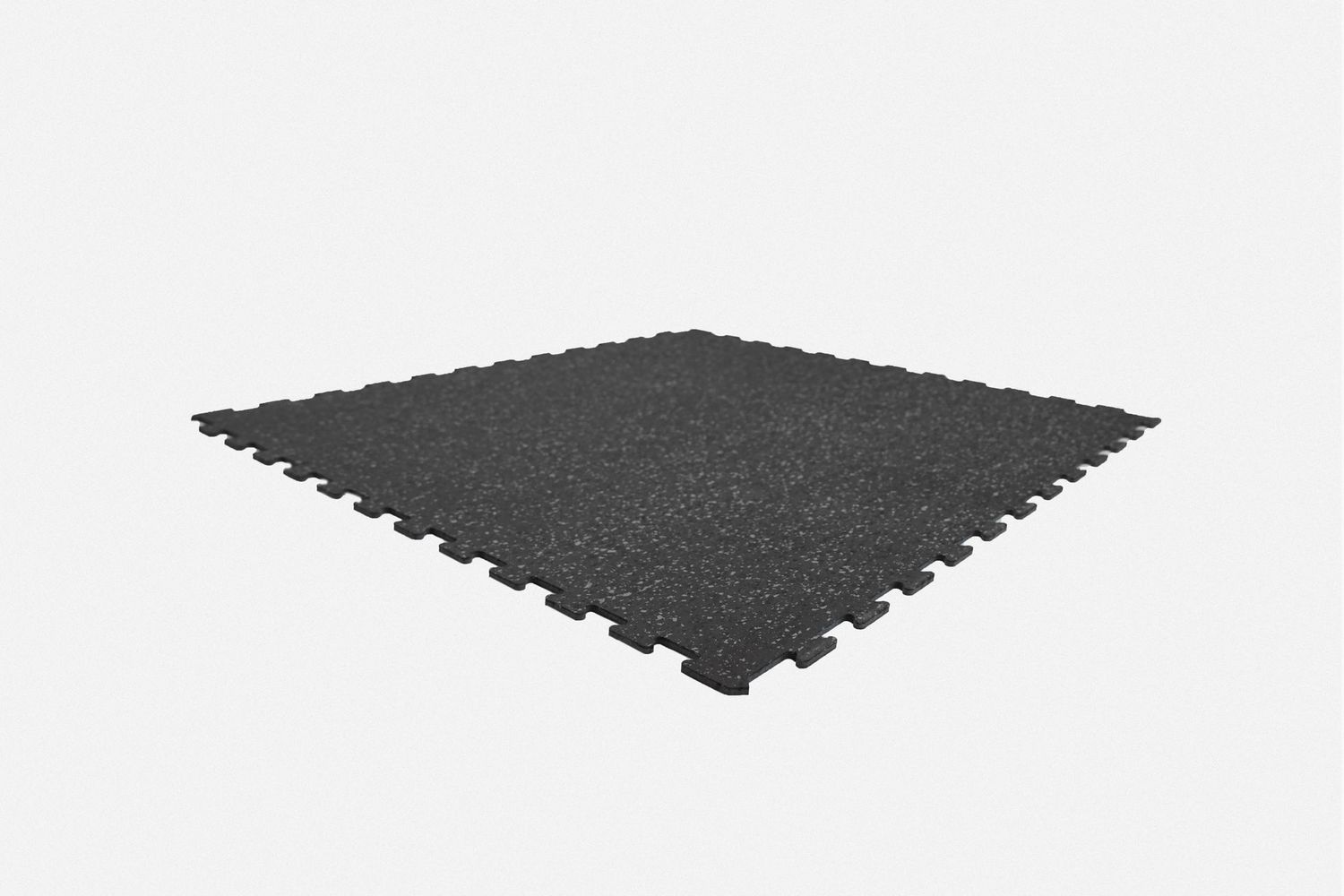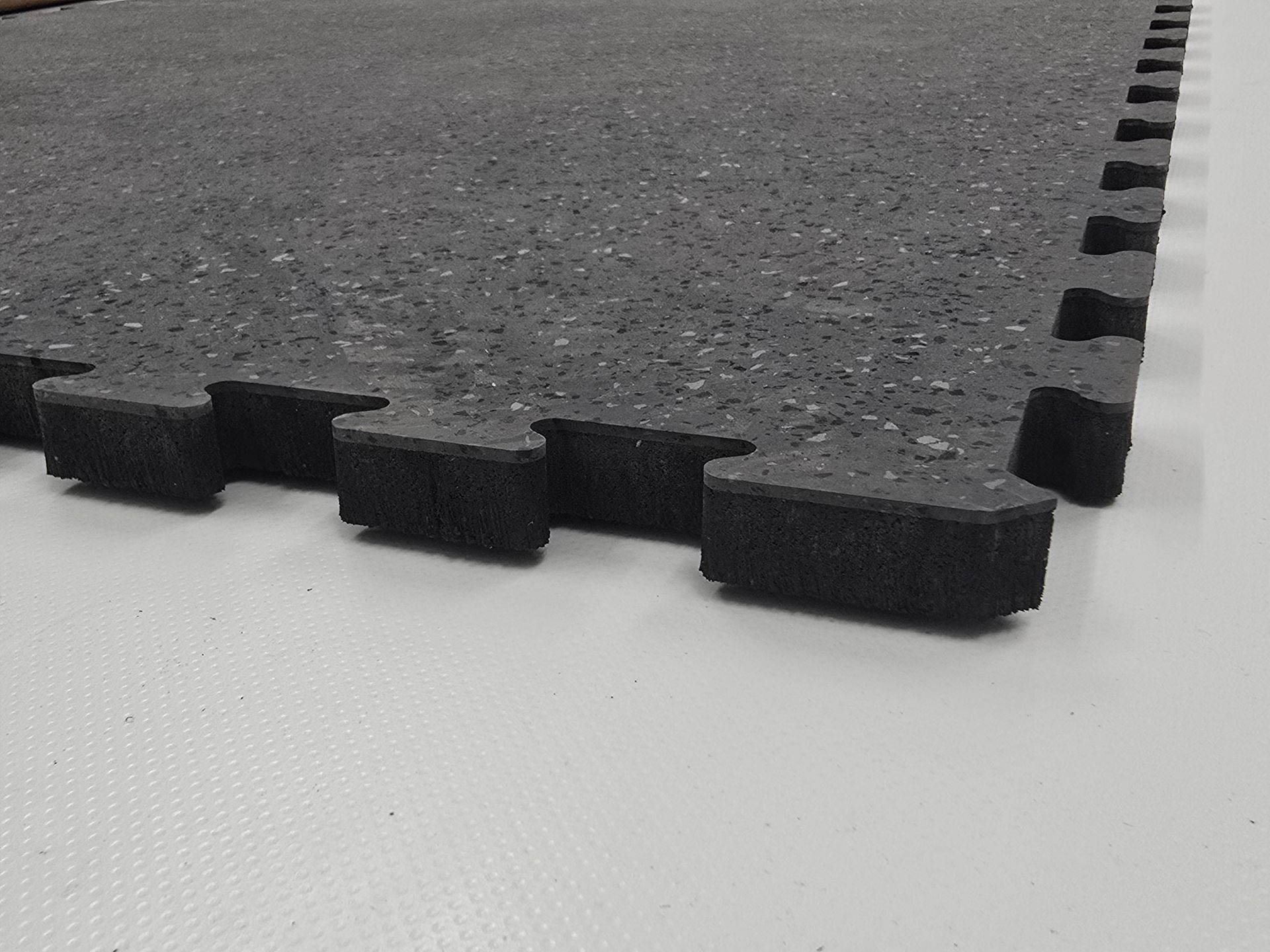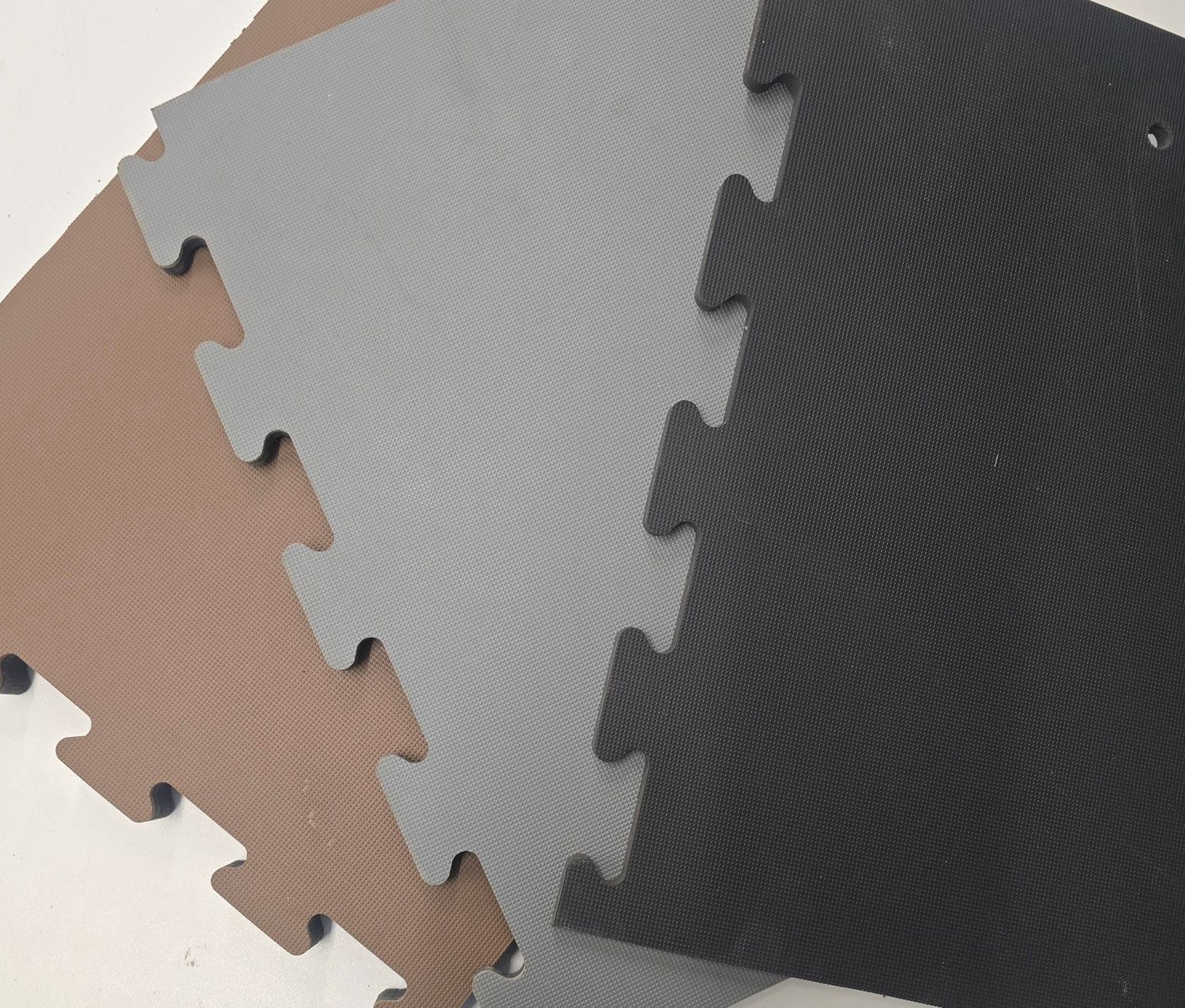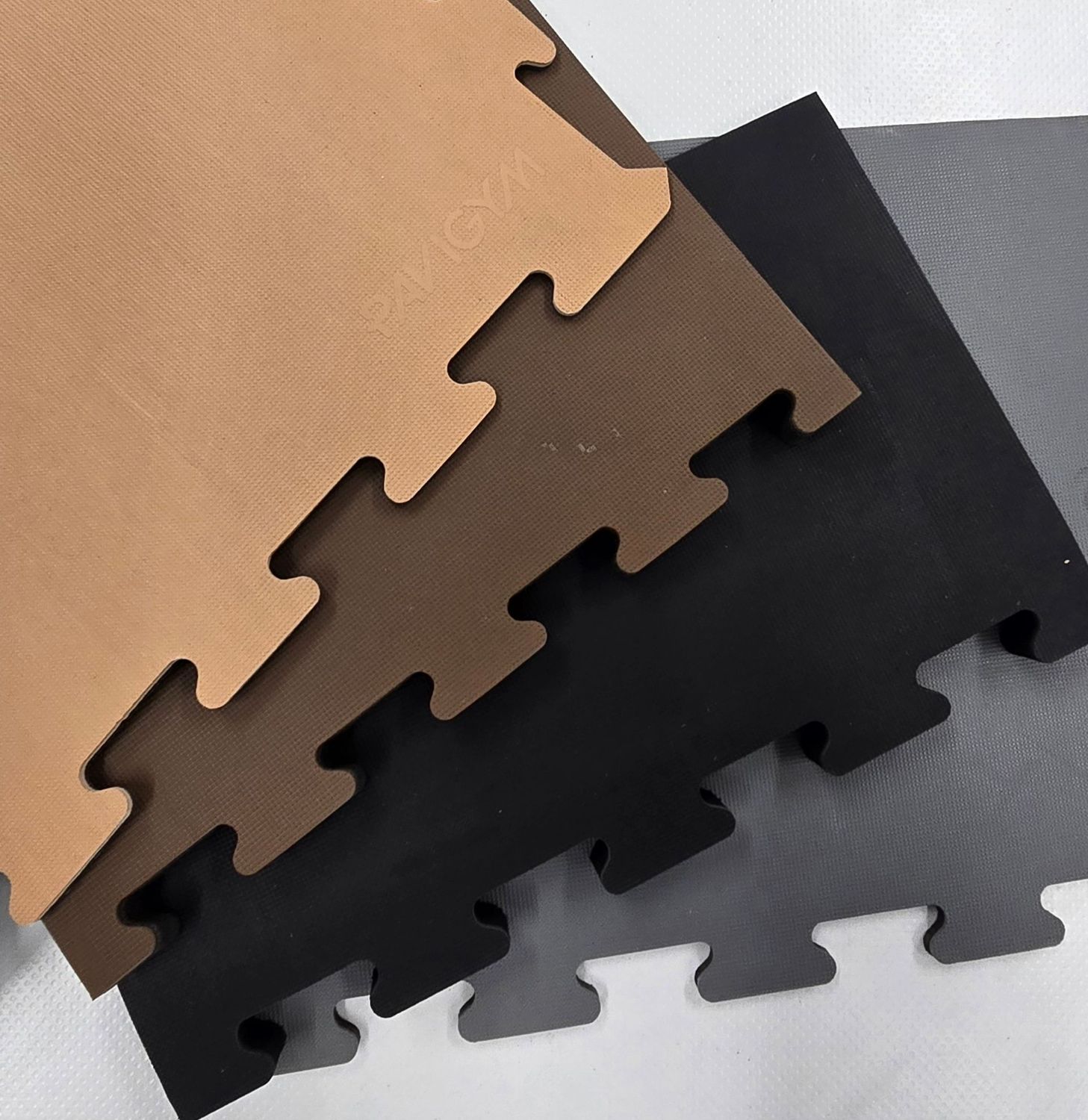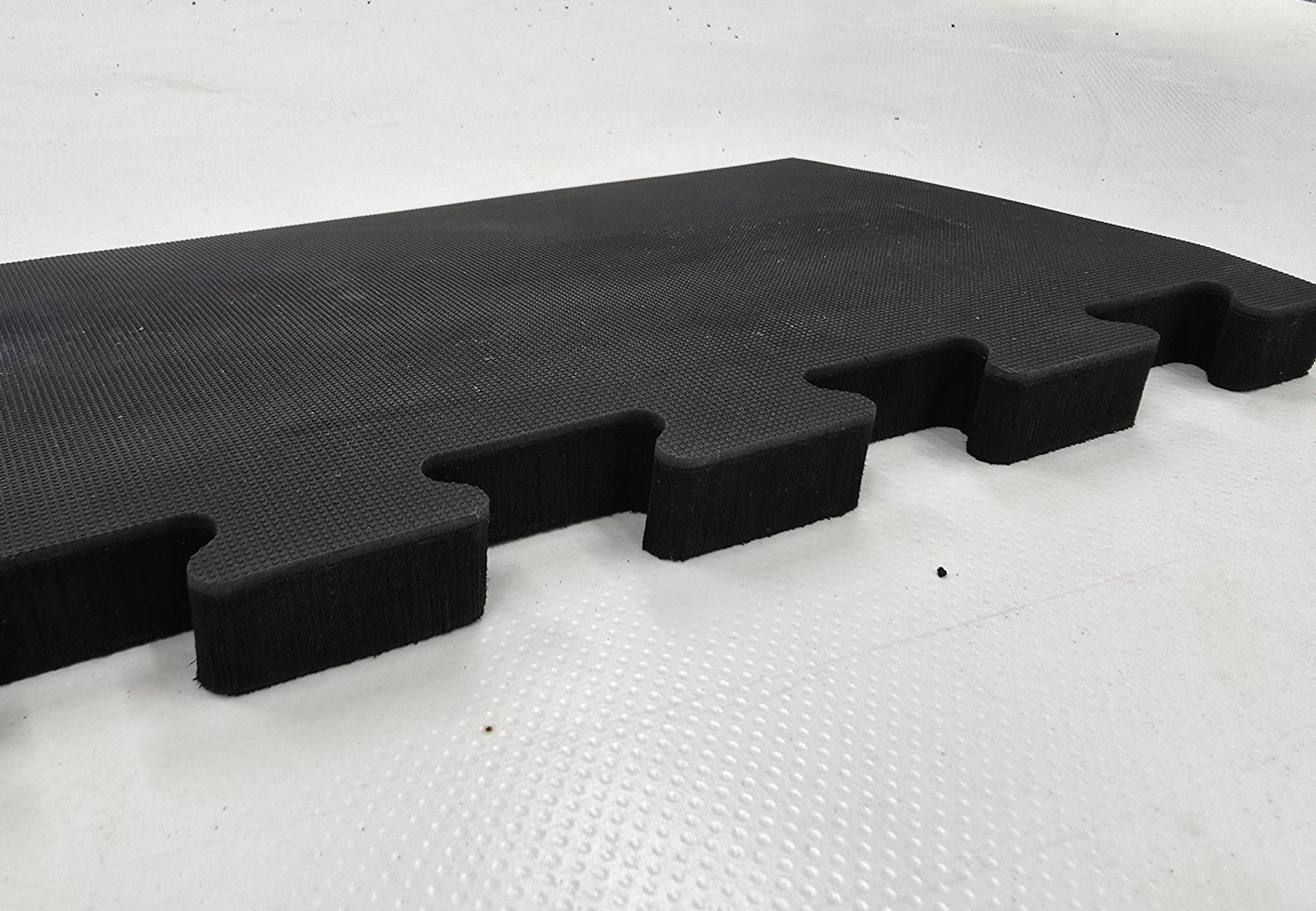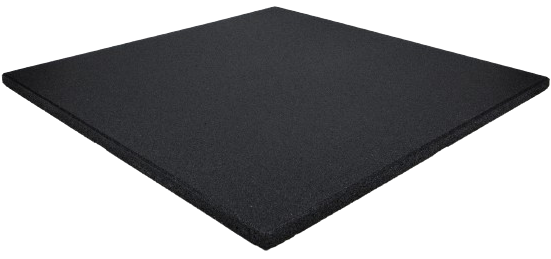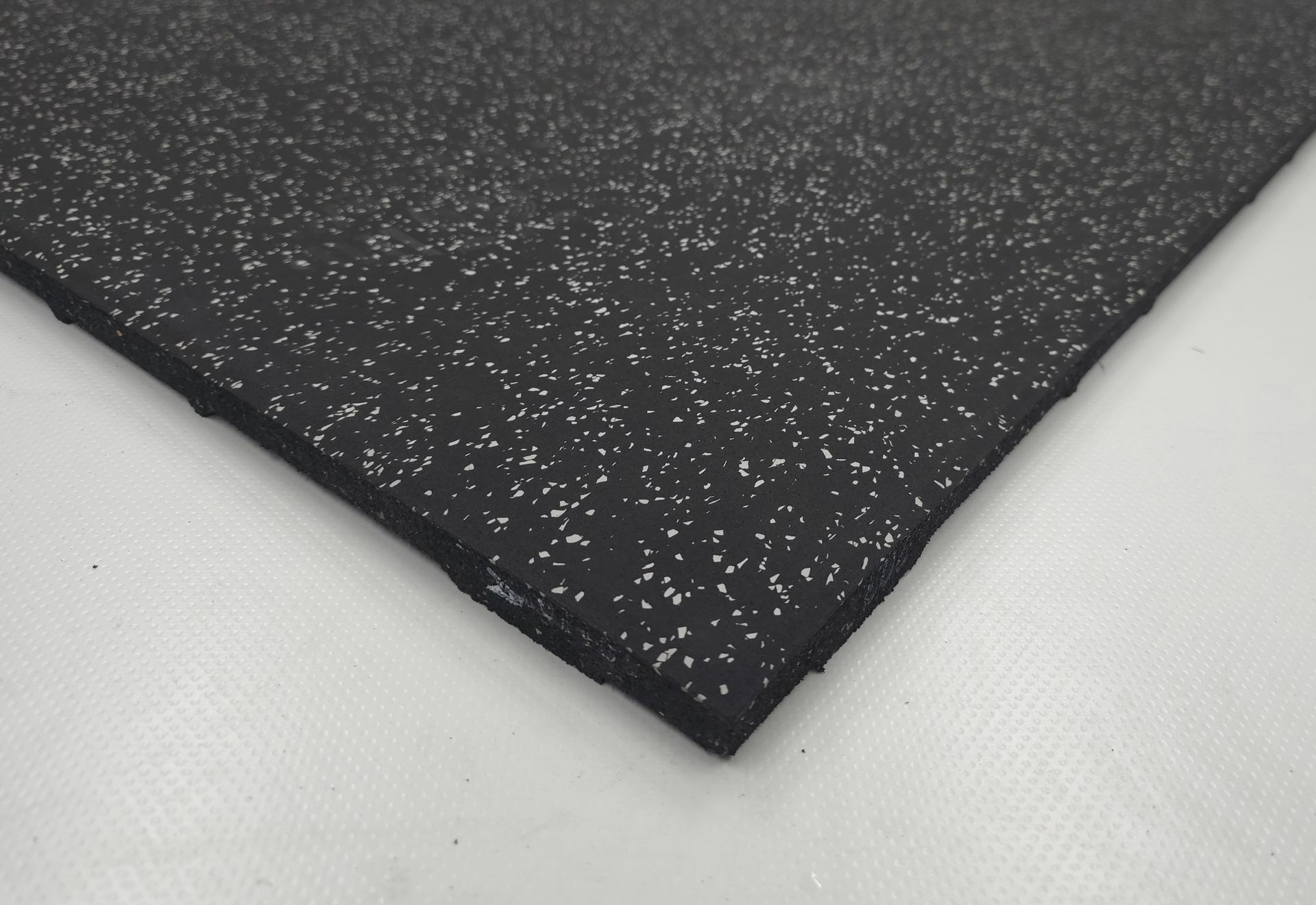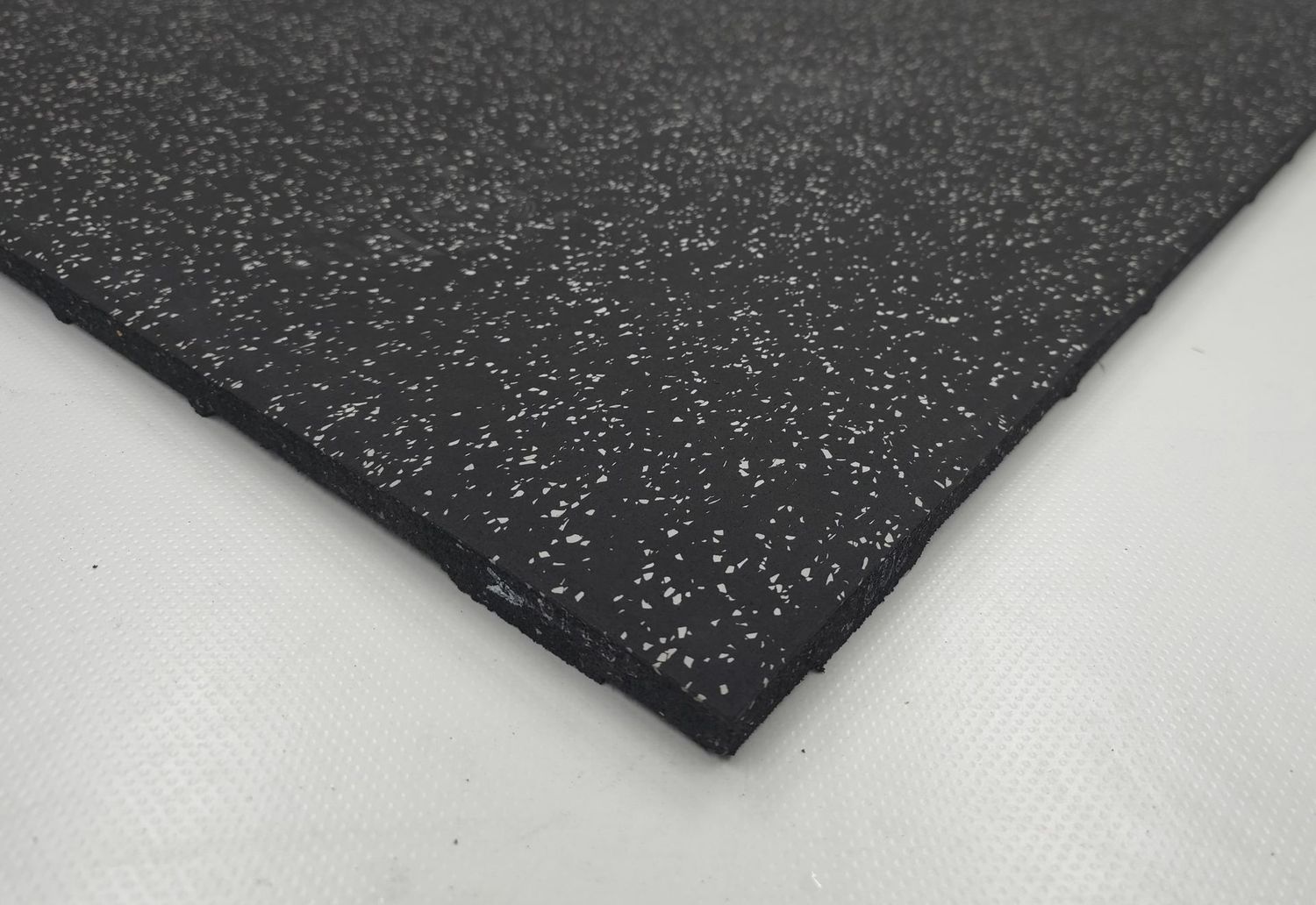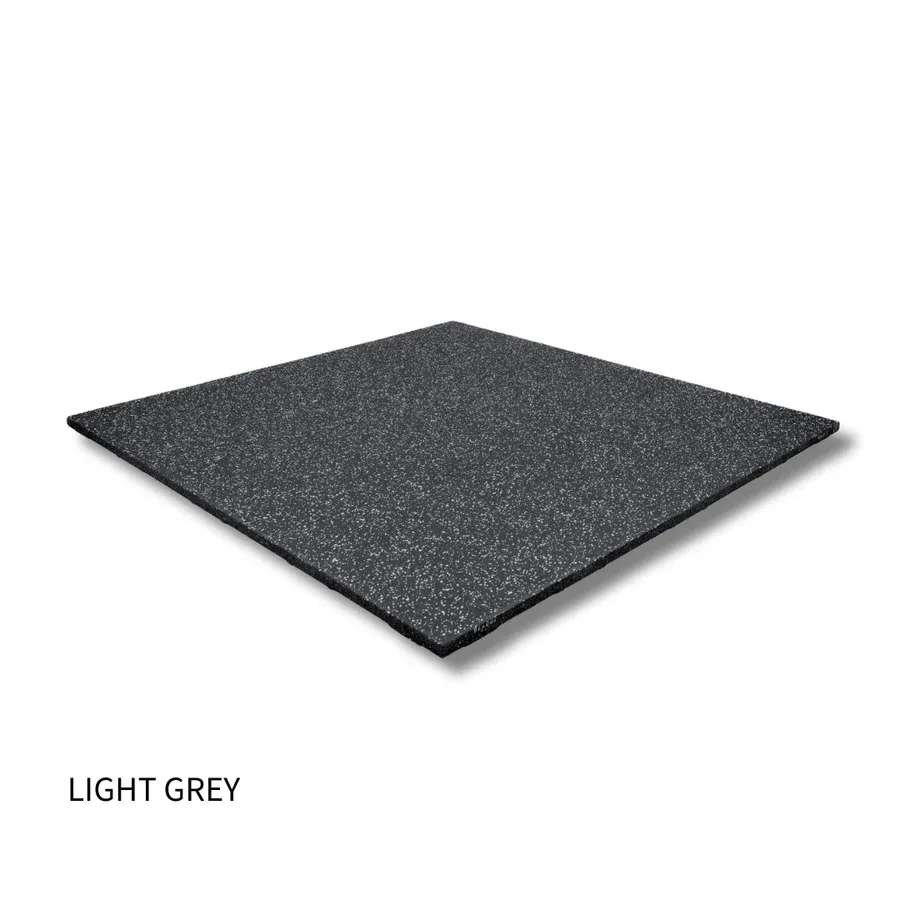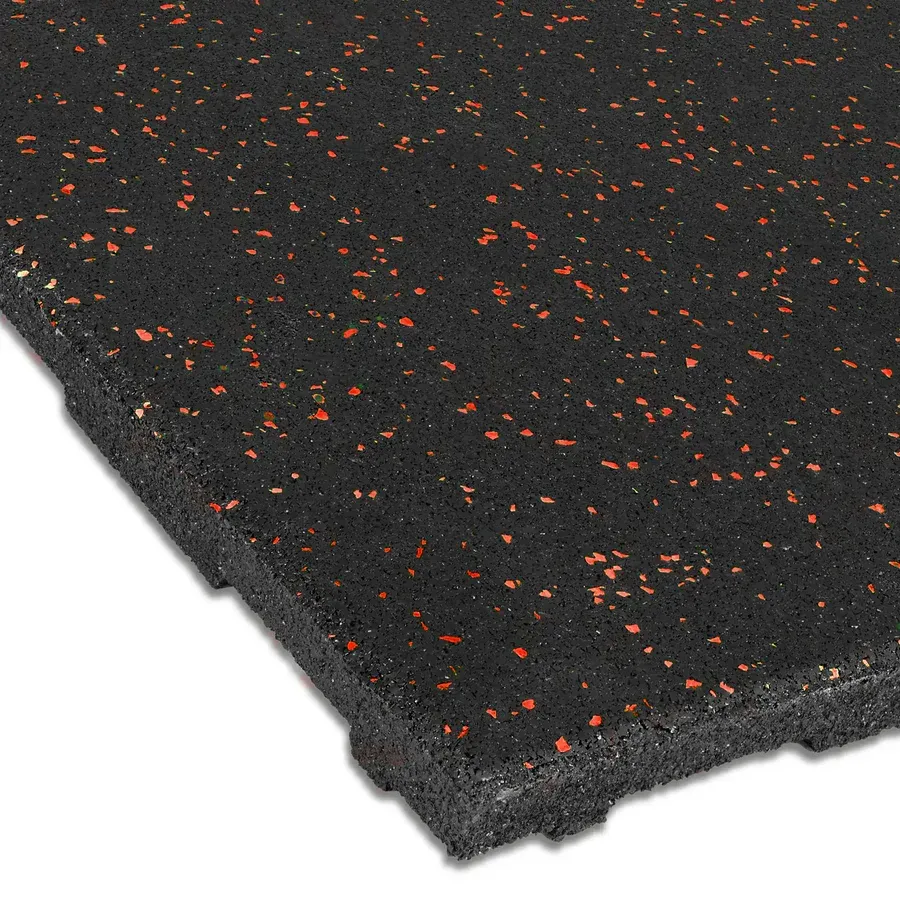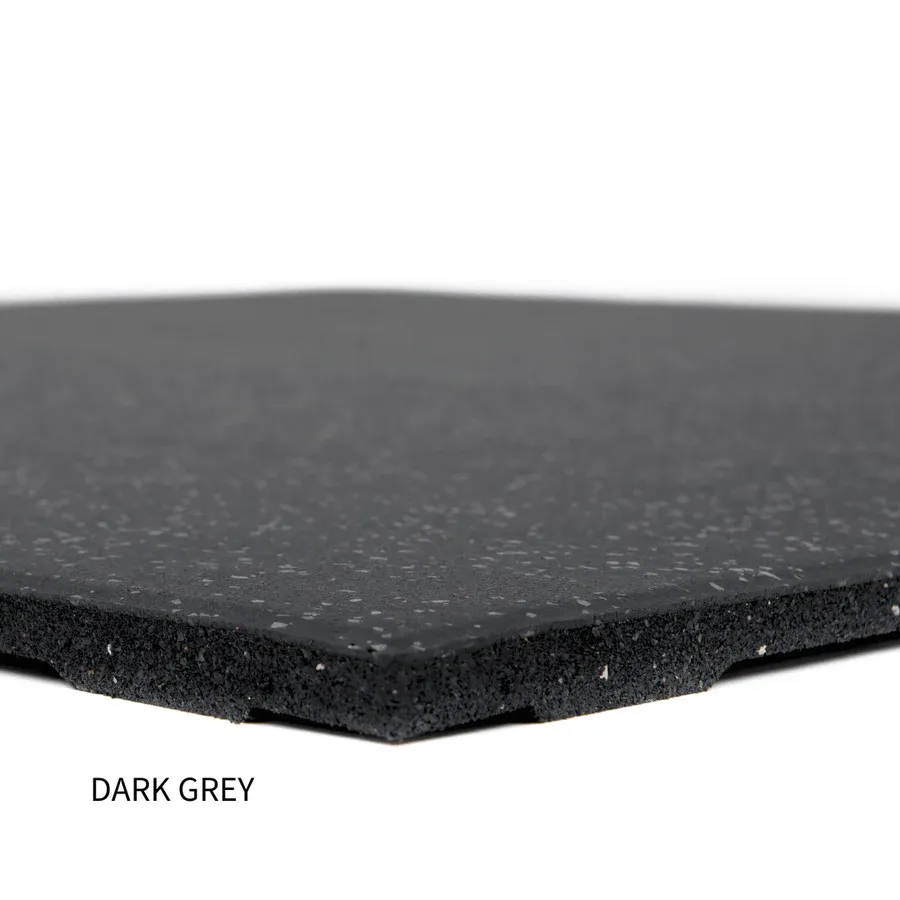

FLASH SALE - SUPER BLACK PAVIGYM EXTREME TILES

20%

IN STOCK - NEXT DAY SHIPPING - LIMITED STOCK

Available while  stocks last
SHOP NOW
  • 7 mm virgin rubber
  • Extreme Impact Resistance
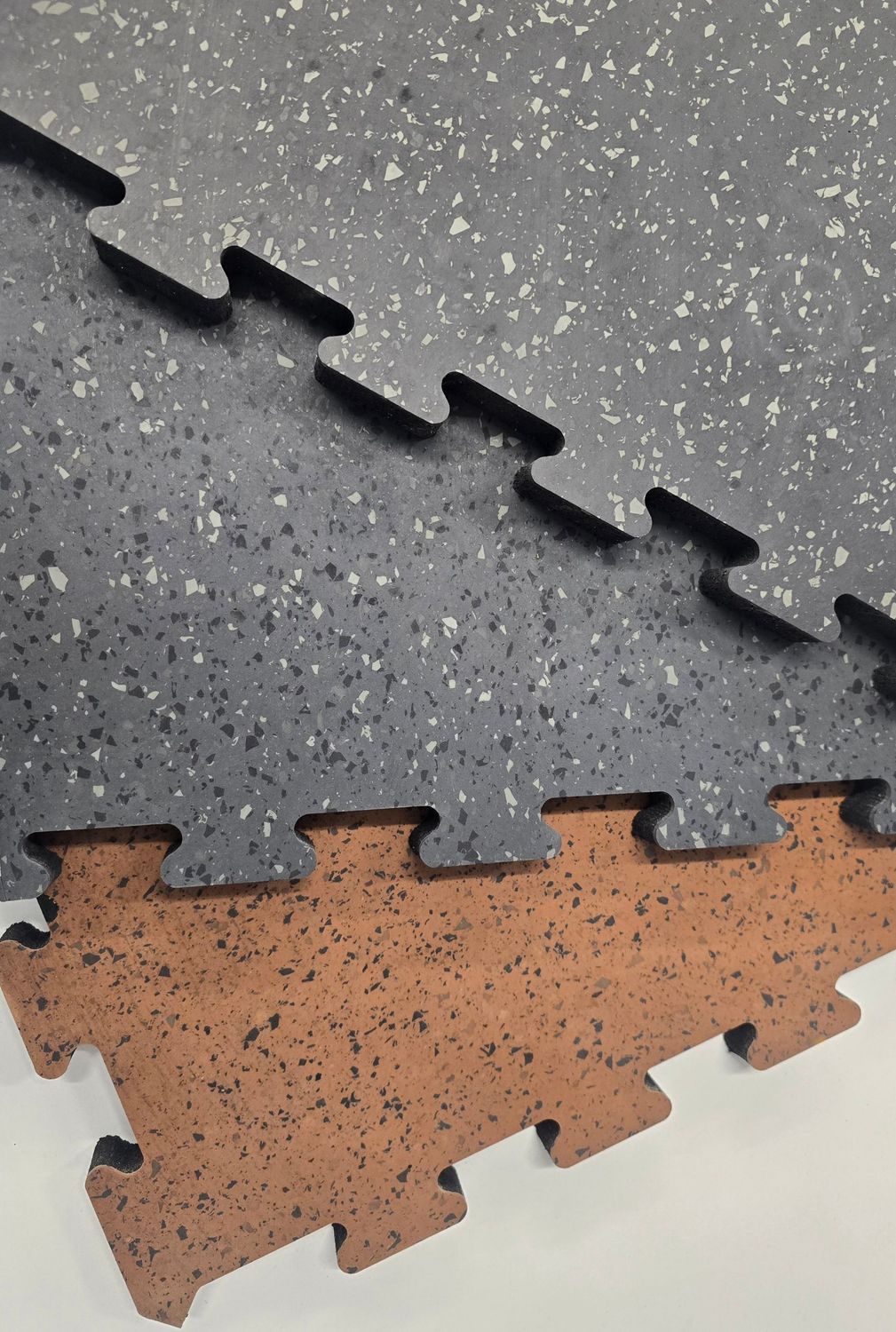
  • Interlocking gym tiles
Trusted by professionals. Designed for performance. Delivered to your door.

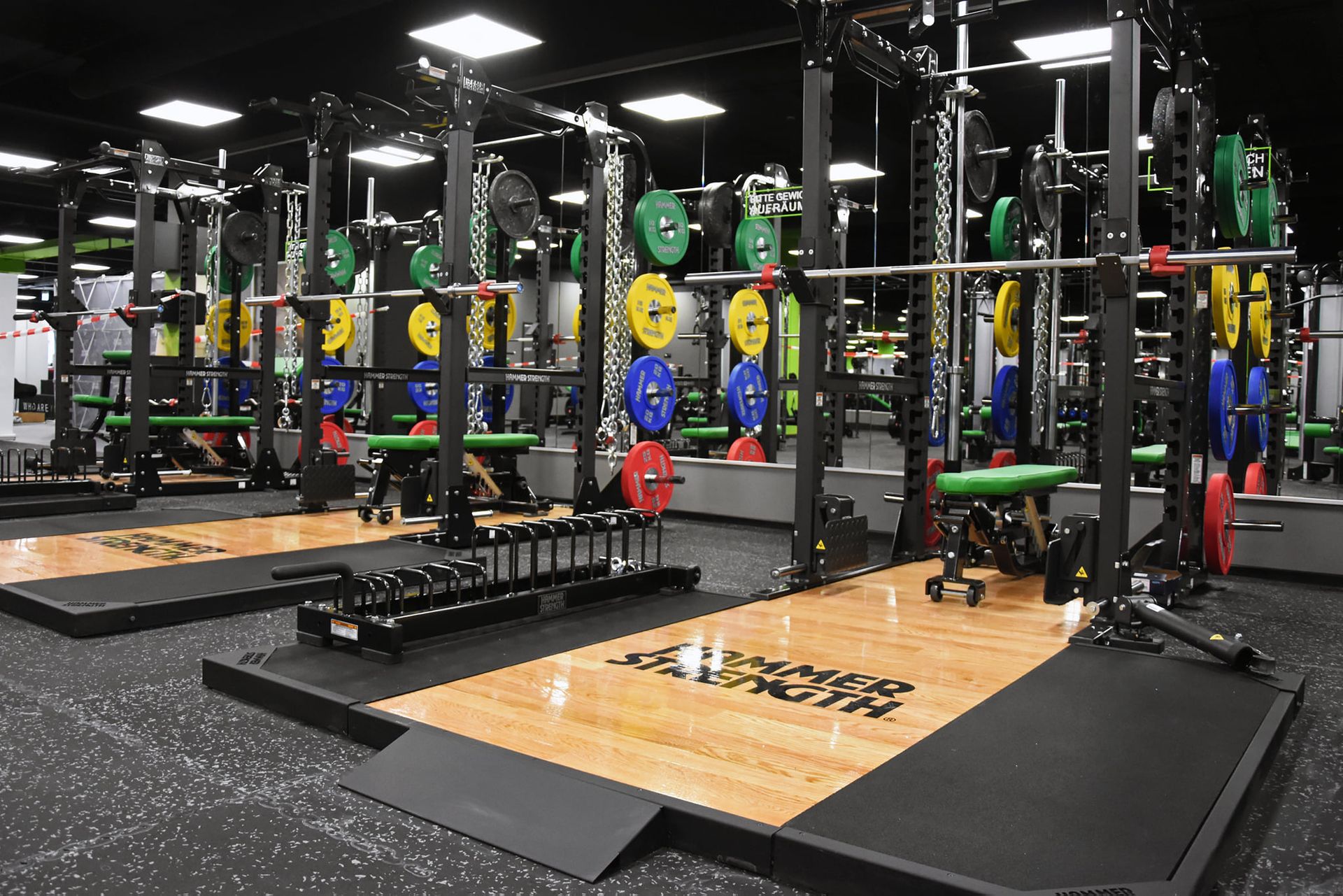
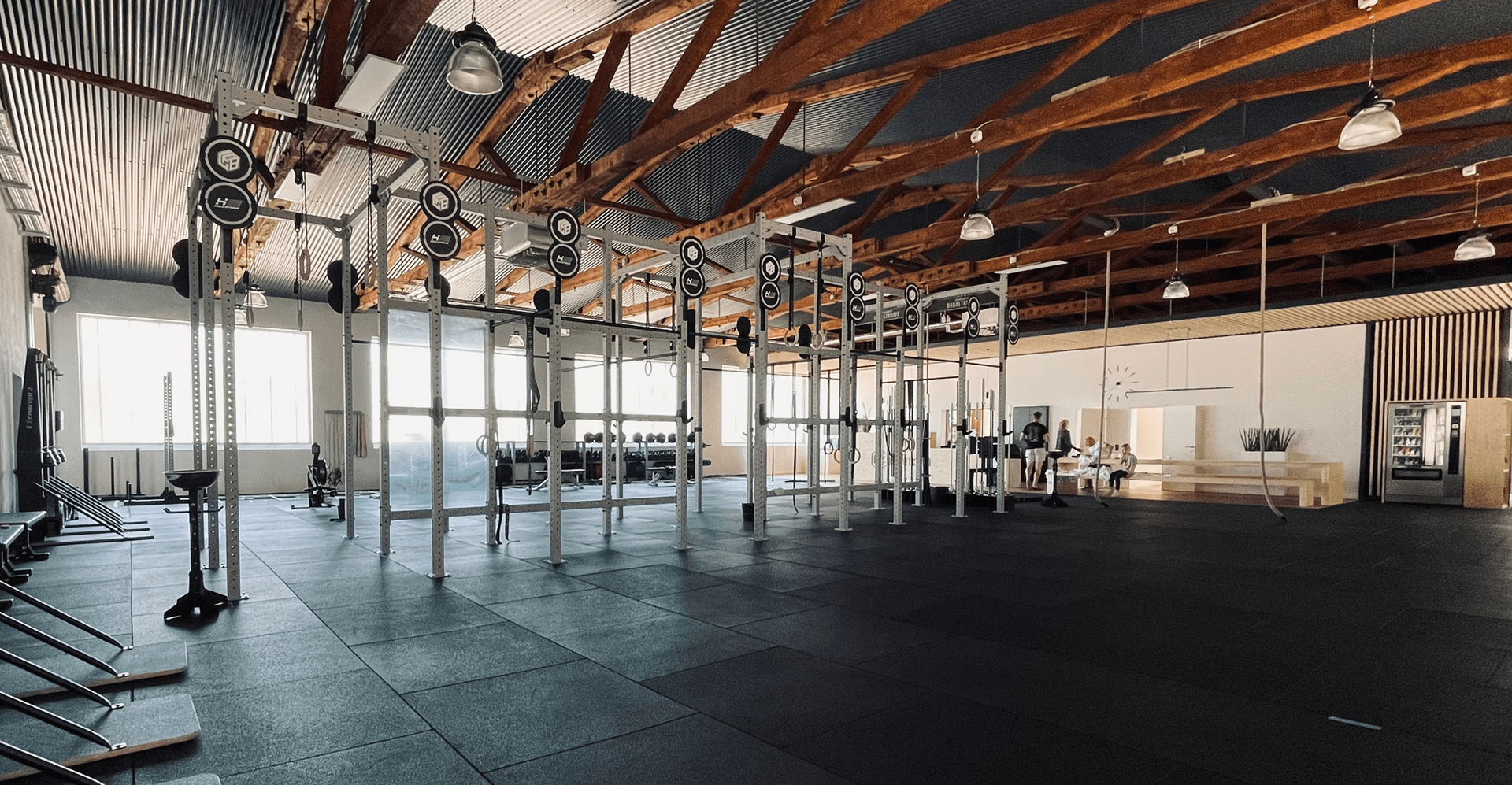
Premium Gym Flooring for Homes & Fitness Spaces
Shop now Find the Right Flooring

FEATURED BESTSELLERS

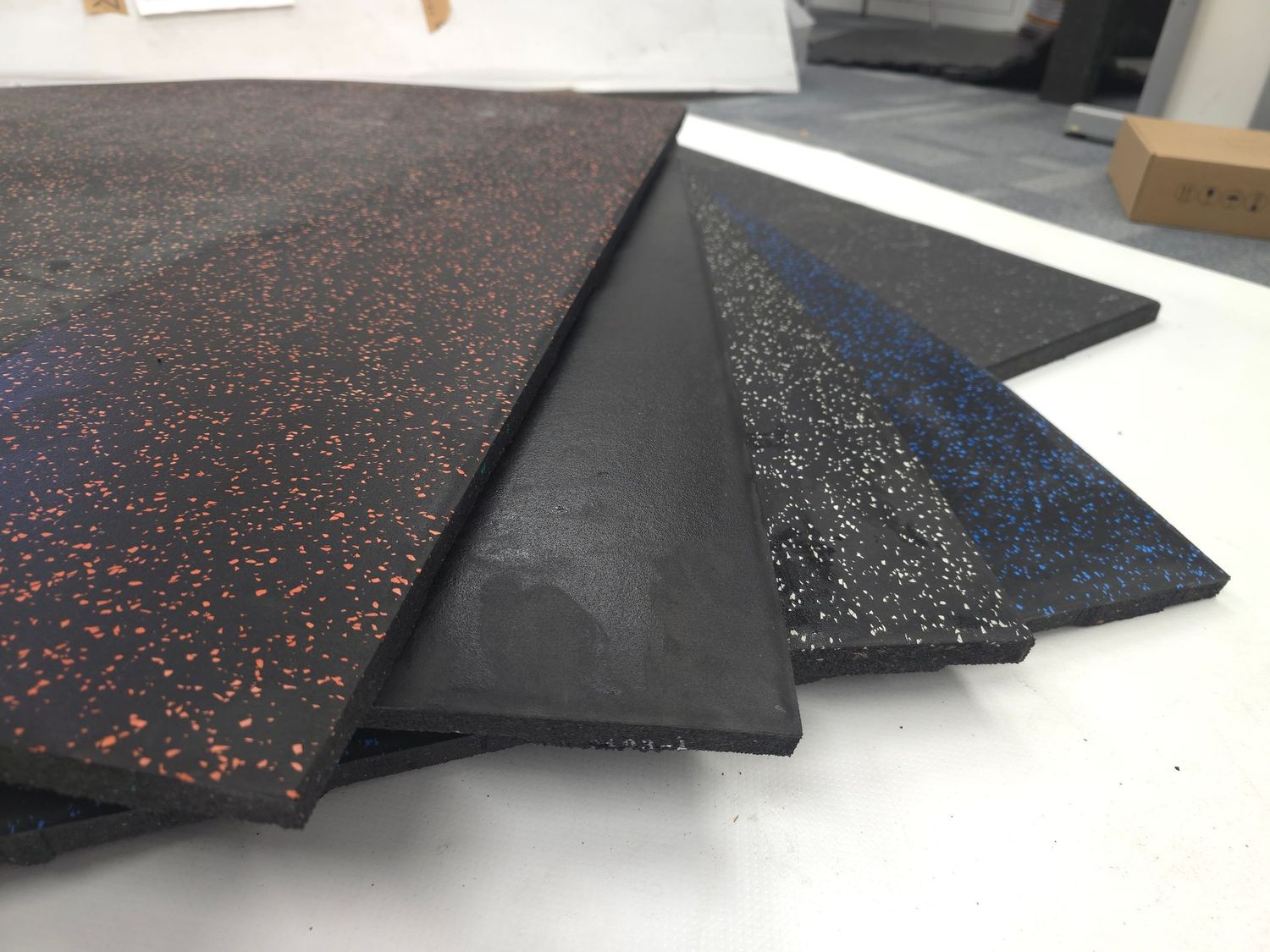
specialised flooring for every fitness activity

WHY CHOOSE US

20+ Years of Flooring Industry Expertise

We’ve been flooring the fitness world for over two decades, with deep knowledge and proven results.


Unmatched Performance, Durability & Design

No compromises — just premium quality that’s built to perform and designed to impress.


Approved Seller of Europe’s Top Flooring Brands

From Pavigym to Gerflor, we bring world-class flooring solutions directly to UK customers.

Virgin Rubber Only — No Recycled Fillers

Engineered for resilience and safety, using only the purest high-performance materials.

MORE ABOUT US

ABOUT US - GYM FLOOR STORE

Built by gym flooring veterans. We’ve supplied flooring to fitness studios, martial arts schools, and home gyms for over two decades. Now we’re here to help you create your dream space too.

Learn More

The Gym Flooring Hub

25 January 2026
Setting up a home gym is one of the best investments you can make in your health and fitness. But before you start ordering equipment, there's one critical decision that often gets overlooked: choosing the right gym flooring. The wrong flooring can lead to damaged equipment, noise complaints from neighbours, injury risk from slips, and even structural damage to your property. The good news? With the right information, choosing gym flooring doesn't have to be complicated. This comprehensive guide will walk you through everything you need to know to make the right choice for your space, budget, and training style. Why Your Home Gym Floor Matters More Than You Think Your gym floor isn't just about aesthetics. It serves several critical functions that directly impact your training experience and the longevity of your equipment. Equipment Protection : Dropped dumbbells, loaded barbells, and heavy kettlebells create tremendous impact forces. Without proper flooring, you risk damaging not just your equipment but also your subfloor, which can lead to expensive repairs. Noise Reduction : If you live in a flat, have neighbours in close proximity, or simply don't want to disturb family members, sound absorption becomes crucial. The right flooring can reduce impact noise by up to 20 decibels. Joint Protection : Training on concrete or hard surfaces increases stress on your joints with every jump, step, and lift. Quality gym flooring provides cushioning that reduces this impact, helping you train harder while protecting your knees, ankles, and back. Safety and Grip : Slips during heavy lifts or high-intensity cardio aren't just embarrassing—they're dangerous. Proper gym flooring provides the grip you need to train with confidence. Understanding Your Home Gym Flooring Options Let's break down the main types of gym flooring available to UK home gym owners, along with their pros, cons, and best use cases. Rubber Gym Tiles What They Are : Interlocking or straight-edge rubber squares, typically ranging from 7mm to 25mm thick. Best For : Weight training zones Free weight areas Power racks and lifting platforms General-purpose home gyms Advantages : Excellent shock absorption and impact protection Superior durability for heavy use Easy DIY installation with interlocking designs Can be easily replaced if damaged Effective noise reduction Anti-slip surface even when wet Considerations : Initial cost higher than basic options May have rubber smell initially (dissipates within days) Visible seams between tiles Recommended Thickness : Light cardio and yoga: 7-10mm Mixed training (cardio + moderate weights): 10-15mm Heavy lifting and powerlifting: 20-25mm Top Products : The Pavigym Endurance and Extreme ranges offer exceptional quality with virgin rubber construction. For budget-conscious buyers, the GFS Connect Tiles deliver solid performance without compromising safety. Rubber Gym Rolls What They Are : Large continuous sheets of rubber that can cover entire rooms with minimal seams. Best For : Large open spaces Commercial-looking installations Areas where seamless appearance matters Cardio zones and functional training areas Advantages : Fewer seams create a cleaner, more professional look Quicker installation for larger areas Excellent for creating a uniform aesthetic Available in various thicknesses Considerations : Requires more planning and precision cutting Heavier and harder to handle alone More difficult to replace if a section gets damaged Often requires adhesive installation Installation Tip : Rolls work best when the room is cleared completely and measurements are precise. Consider professional installation for rolls over 4mm thickness. Gym Turf What It Is : Artificial grass designed specifically for gym use, typically used for sled pushing, sprint work, and functional training. Best For : Functional fitness zones Sled and prowler pushing Sprint intervals and agility work CrossFit-style training areas Advantages : Unique aesthetic that defines training zones Ideal grip for explosive movements Excellent for sled work Creates a visually distinct area Considerations : Less suitable for heavy weight drops May require specific maintenance Higher price point Best as a zoned feature rather than full coverage Pro Tip : Many home gym owners use turf for a specific section (like a sprint lane) while using rubber tiles for the main training area. Interlocking Foam Tiles What They Are : EVA foam tiles that puzzle together, commonly seen in martial arts studios and children's play areas. Best For : Yoga and Pilates areas Light cardio and bodyweight training Martial arts practice Temporary or portable setups Advantages : Extremely affordable Very lightweight and portable Soft underfoot Easy to install and remove Considerations : Not suitable for weight training Compress and degrade quickly under heavy loads Limited durability Poor grip when wet Not appropriate for dropped weights Important Note : While foam tiles are popular due to their low cost, they're not recommended for serious weight training or high-impact workouts in home gyms. Key Factors to Consider When Choosing 1. Training Style and Equipment Your workout routine should be the primary driver of your flooring decision. Powerlifting and Olympic Lifting : Requires maximum thickness (20-25mm) with high-density rubber or specialized shock-absorbing tiles like the Pavigym Extreme S&S range. These handle repeated weight drops without degradation. General Strength Training : Medium thickness (10-15mm) rubber tiles or rolls work excellently. The Pavigym Endurance 7mm tiles are ideal for mixed training that includes dumbbells, kettlebells, and moderate weight work. Cardio and HIIT : Lighter options (7-10mm) provide adequate cushioning without excessive softness. The Pavigym Motion range is engineered specifically for functional and cardio zones. Mixed Training : If you're doing everything, opt for versatile 15-20mm rubber tiles that can handle diverse demands. 2. Subfloor Condition What's underneath your gym flooring matters significantly. Concrete : The most common subfloor for garages and basements. Concrete is hard and unforgiving, making thicker flooring (15mm+) essential for comfort and equipment protection. Any thickness of rubber will work on concrete, but thicker is always better for noise and impact. Wood Flooring : Whether it's floorboards or plywood, wood subfloors require protection from moisture and impact. Use at least 10mm rubber flooring, and consider adding a moisture barrier if you're in a basement or ground-floor location prone to dampness. Existing Tiles or Vinyl : Can work as a subfloor but check for stability. Loose or damaged existing flooring should be removed or repaired before installing gym flooring. The existing surface must be level and clean. Pro Tip : For upper-floor home gyms, acoustic underlays beneath your rubber flooring can further reduce noise transmission to rooms below. 3. Space Dimensions and Layout Measure your space carefully before choosing between tiles and rolls. Small Spaces (Under 15 square meters) : Interlocking tiles are typically easier and more economical. They're simpler to handle, transport, and install in tight areas like spare bedrooms or small garages. Medium Spaces (15-30 square meters) : Either tiles or rolls work well. Choose based on your preference for seam visibility and installation style. Large Spaces (Over 30 square meters) : Rolls can be more cost-effective and create a cleaner look with fewer seams. However, they require more planning and possibly professional installation. Irregular Shapes : Tiles are more flexible for odd-shaped spaces or rooms with multiple doorways and obstacles. They're easier to cut and fit around features. 4. Budget Considerations Gym flooring is available across a wide price range. Here's how to think about budgeting: Entry Level (£10-20 per square meter) : Basic recycled rubber tiles or rolls. Adequate for light training but may wear faster and offer less protection. Mid-Range (£20-40 per square meter) : Quality rubber tiles with better shock absorption. The GFS range sits here, offering excellent value. This is the sweet spot for most serious home gym builders. Premium (£40-70+ per square meter) : High-end virgin rubber tiles like Pavigym Endurance and Extreme. Exceptional durability, superior noise reduction, and maximum equipment protection. Worth the investment for dedicated lifters. Specialist (£70+ per square meter) : Specialist solutions like Olympic lifting platforms, turf systems, or acoustic underlays for noise-sensitive installations. Cost-Saving Tip : Rather than flooring your entire garage, consider flooring just the training zone. This can reduce costs by 40-60% while still providing all the protection you need. 5. Installation Method How you install your flooring affects both upfront costs and long-term flexibility. Interlocking (No Glue) : DIY-friendly Removable and portable Slight movement possible with heavy use Best for: Renters, temporary setups, frequent equipment moves Glue-Down : Permanent installation Zero movement More professional appearance Best for: Long-term setups, commercial environments, areas with heavy traffic Floating (Loose Lay) : Suitable for heavier rolls Relies on weight for stability May require perimeter adhesive Best for: Large continuous areas, rolls over 5mm Recommendation for Home Gyms : Most home gym owners find interlocking tiles offer the best balance of stability, flexibility, and ease of installation. 6. Noise and Vibration Control Critical if you're not on a ground floor or have close neighbours. Upper Floors : Minimum 20mm thickness plus acoustic underlay. Consider the Pavigym Extreme S&S or Endurance S&S ranges, which are specifically engineered for shock and sound absorption. Flats and Terraced Houses : Sound transmission can cause friction with neighbours. Invest in proper flooring (15mm minimum) and potentially add acoustic underlays for extra protection. Detached Houses : Ground floor locations have more flexibility, but thicker flooring still protects your subfloor and makes training more comfortable. Impact Absorption Ratings : Look for flooring that specifies its decibel reduction. Quality gym flooring can reduce impact noise by 15-20 dB, which makes a dramatic difference to anyone below or nearby. 7. Maintenance and Durability Consider the long-term care requirements of your chosen flooring. Rubber Tiles and Rolls : Easy to clean with mop and mild detergent Resistant to moisture and sweat Durable for years with proper care Individual tiles can be replaced if damaged Turf : Regular vacuuming recommended May need occasional deep cleaning Check pile height retention over time More specialist maintenance than rubber Vinyl Options : Simple wipe-clean maintenance Good for reception areas and changing rooms Less suitable for direct weight training zones Longevity Tip : Virgin rubber flooring typically lasts 2-3 times longer than recycled alternatives in high-use home gyms. The upfront cost premium often pays for itself in durability. Step-by-Step Guide to Choosing Your Home Gym Floor Follow this process to ensure you make the right decision: Step 1: Assess Your Training Needs Write down the exercises and equipment you use most frequently. Be honest about your training style. If you're doing heavy barbell work, you need serious flooring regardless of budget constraints. Step 2: Measure Your Space Accurately Measure the length and width of your gym area in meters. Add 5-10% extra to account for cutting and waste. Note any obstacles, doorways, or irregular features. Step 3: Evaluate Your Subfloor Check what's underneath. Is it level? Are there any damp issues? Concrete or wood? This information helps you choose appropriate thickness and any underlays needed. Step 4: Determine Your Budget Set a realistic budget based on your measurements. Remember that gym flooring is a long-term investment that protects much more expensive equipment and your own body. Step 5: Choose Your Flooring Type Based on steps 1-4, select between tiles, rolls, or a combination. For most home gym owners, interlocking rubber tiles in the 15-20mm range offer the best versatility. Step 6: Select Specific Products Compare options within your chosen category. Consider factors like: Warranty period Virgin vs recycled rubber content Manufacturer reputation Available thickness options Color and aesthetics Step 7: Plan Installation Decide whether you'll install yourself or hire professionals. Order your flooring with delivery timing that matches your installation schedule. Common Mistakes to Avoid Going Too Thin : The most common error is choosing flooring that's too thin for the intended use. A 7mm tile might seem adequate, but if you're dropping 100kg+ regularly, you'll regret not going thicker. Ignoring Noise Factors : Many home gym builders don't consider noise until after installation. If there's any chance noise could be an issue, invest in proper thickness and acoustic solutions upfront. Choosing Price Over Quality : While budget matters, the cheapest option often costs more long-term through faster wear, poor performance, and potential equipment damage. Not Planning for Expansion : If there's any chance you'll expand your gym space in future, choose tiles over rolls for easier extension of your flooring area. Forgetting About Doorways : Measure door clearances carefully. Thick flooring might prevent doors from opening properly, requiring trimming or transition strips. Installation Tips for DIY Success Preparation is Key : Sweep and clean your subfloor thoroughly. Any debris will create lumps under your flooring. Acclimate Your Flooring : Let rubber tiles sit in your gym space for 24 hours before installation. This allows them to adjust to room temperature. Start From a Corner : Begin installation in a corner and work outward. This ensures the most visible areas have the tightest fit. Use a Rubber Mallet : When installing interlocking tiles, use a rubber mallet to gently tap pieces together. Never force them. Plan Your Seams : If using multiple boxes of tiles, mix them during installation rather than installing all of one box then moving to the next. This ensures any slight color variations are distributed evenly. Leave Expansion Gaps : For glued or floating installations, leave 5-10mm gaps at walls to allow for minimal expansion and contraction. Top Product Recommendations by Use Case Best for Olympic Lifting and Powerlifting Pavigym Extreme S&S 22mm - Engineered specifically for heavy weight drops with superior shock absorption. Virgin rubber construction ensures maximum durability and noise reduction up to 20dB. Best All-Rounder for Mixed Training Pavigym Endurance 7mm - High-density virgin rubber provides excellent protection for combined cardio, functional training, and moderate weight work. Professional performance at a reasonable price point. Best Budget-Friendly Option GFS Connect Tile 20mm - Offers solid protection and durability without the premium price tag. Perfect for home gym builders who want quality without breaking the bank. Best for Functional Training Zones Pavigym Motion 9mm - Designed specifically for HIIT, functional training, and group exercise spaces. Provides ideal cushioning without being too soft. Best for Specialist Sprint Work Pavigym Turf Roll 11mm - Premium artificial grass engineered for sled pushing, sprint intervals, and explosive movement training. Making Your Final Decision Choosing gym flooring for your home gym comes down to matching your specific needs with the right product. Here's a quick decision framework: If you're primarily lifting heavy weights : Go with 20-25mm shock-absorbing tiles like Pavigym Extreme S&S or Endurance S&S. If you're doing mixed training : Choose versatile 15mm tiles that handle both weights and cardio, such as GFS Connect Tiles or Pavigym Endurance 7mm with underlays if needed. If you're focused on functional fitness : Consider 10mm tiles plus potentially a turf section for specialty work. If budget is your primary constraint : Start with quality 15mm tiles in your main training area rather than covering a larger space with inadequate flooring. Why Choose The Gym Floor Store? When you're ready to purchase your home gym flooring, partnering with specialists makes all the difference. The Gym Floor Store is the UK's approved distributor of Pavigym, Europe's leading gym flooring manufacturer. With over 20 years of industry experience, we provide: Expert Guidance : Free consultations to help you choose exactly what you need Premium Quality : Virgin rubber products with no recycled fillers Comprehensive Warranties : 2-5 year manufacturer warranties for peace of mind Fast UK Delivery : Reliable delivery across the United Kingdom Professional Support : From planning through installation advice Whether you're converting a garage, finishing a basement, or creating a dedicated training space, we have the expertise and products to help you build the perfect foundation for your fitness journey. Ready to Build Your Home Gym? Choosing the right gym flooring is one of the most important decisions you'll make when setting up your training space. The information in this guide gives you everything you need to make an informed choice that matches your training style, space, and budget. Don't compromise on the foundation of your home gym. Quality flooring protects your equipment, your body, and your property while creating an inspiring space where you'll love to train. Explore our complete range of home gym flooring solutions at The Gym Floor Store, or contact our expert team for personalized recommendations based on your specific requirements.
Weightlifting equipment in a gym. Barbells, plates, racks, and benches are on a dark floor with blue walls.
15 January 2026
Discover proven methods to soundproof your UK home gym. Expert advice on flooring, walls, and equipment placement to eliminate noise complaints training intensively.
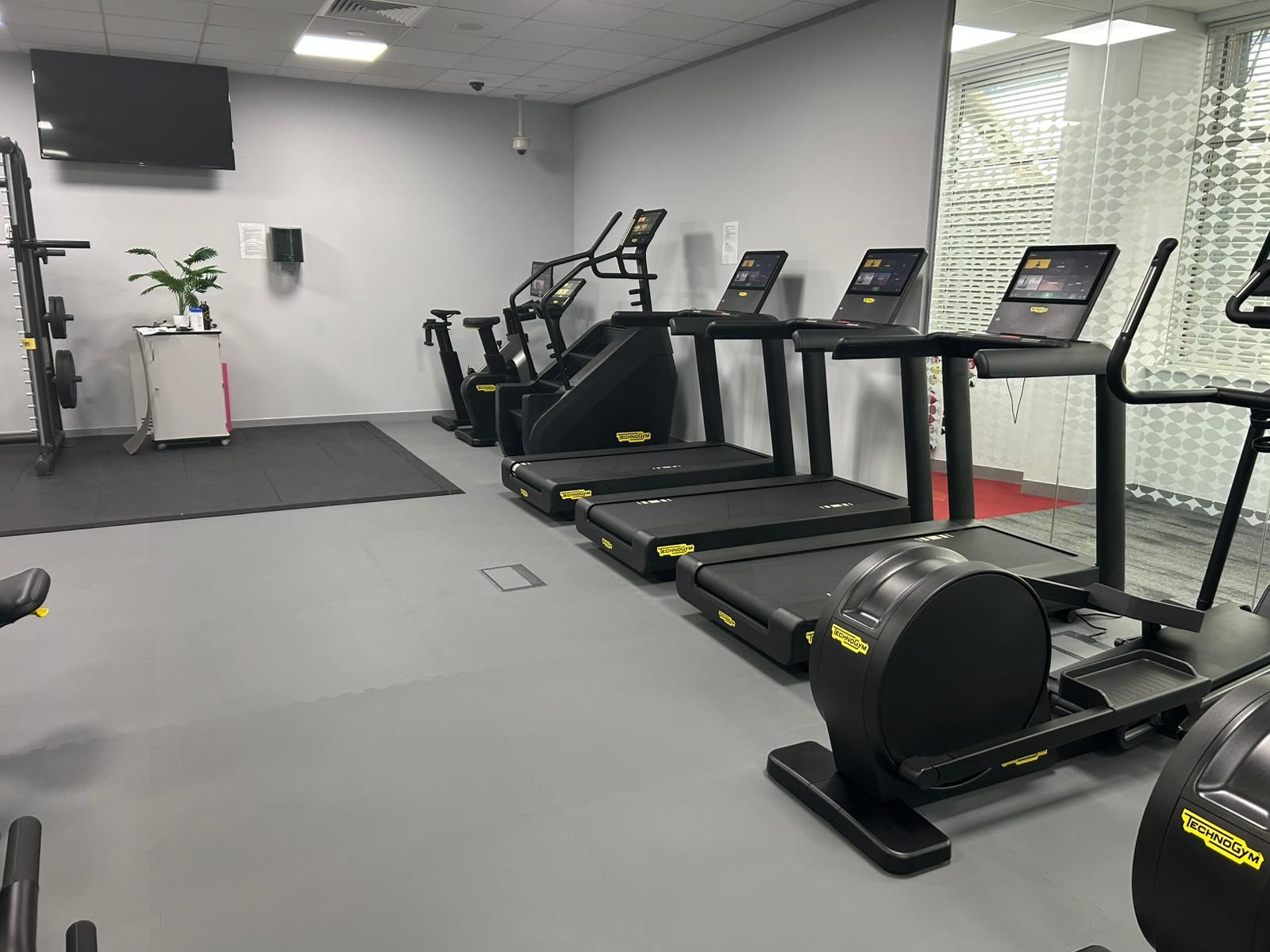
Home gym with exercise equipment and examples of flooring.
12 January 2026
Discover the best flooring for home gyms. Compare rubber, foam, vinyl & more to protect your equipment, reduce noise, and optimise your workouts.
Cross-section of rubber flooring layers: virgin, rebonded, and vulcanized rubber in black.
12 November 2025
Compare virgin and recycled rubber for heavy lifting gym zones. Get expert tips from The Gym Floor Store, UK distributor of Pavigym flooring.
Person lifting a barbell in a gym, with dark weight plates on a black rubber floor.
30 October 2025
Optimize Your Workout Experience with Shock Absorption and Joint Protection

Follow us on Instagram

Follow