
What is the best flooring for home gym?
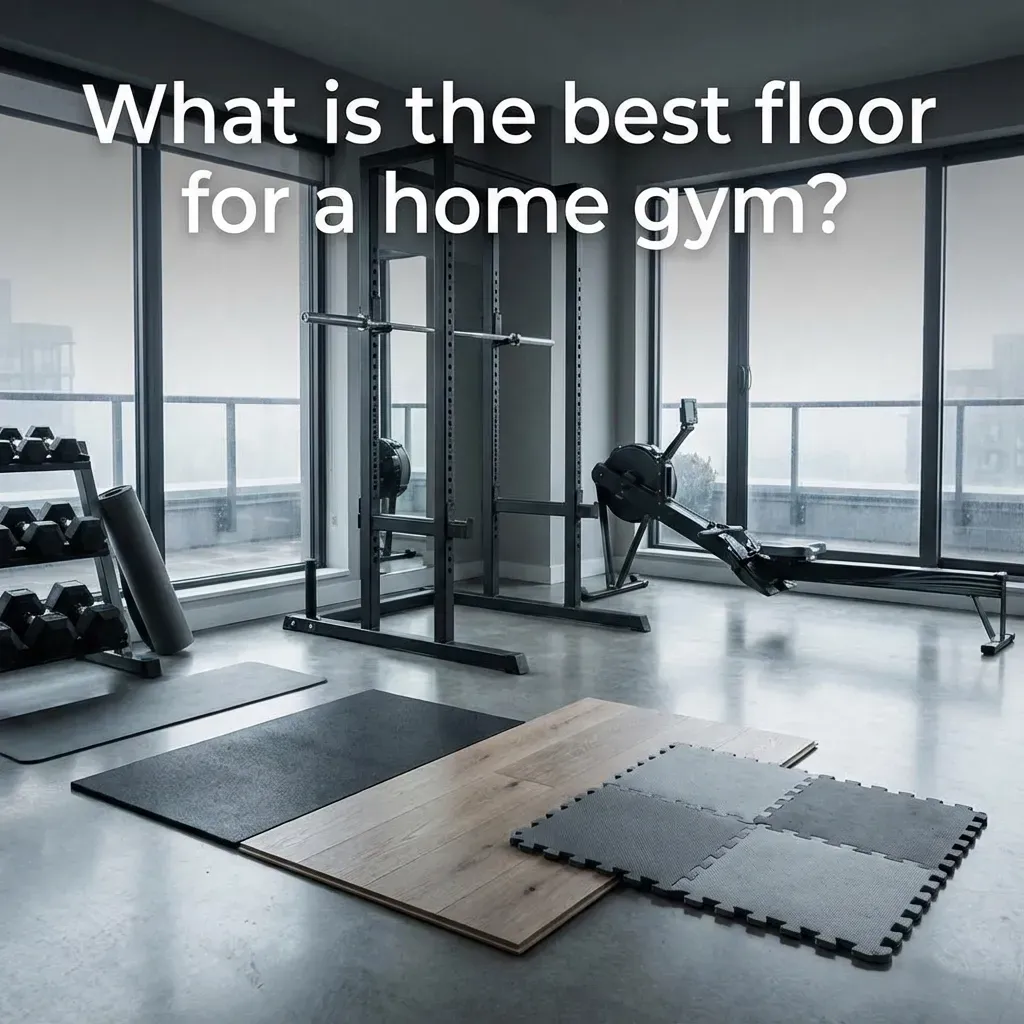
Setting up a home gym is exciting, but choosing the right flooring can feel overwhelming. You've got equipment to protect, neighbours to consider, and your own joints to look after. The wrong floor can lead to damaged equipment, noise complaints, or even injury.
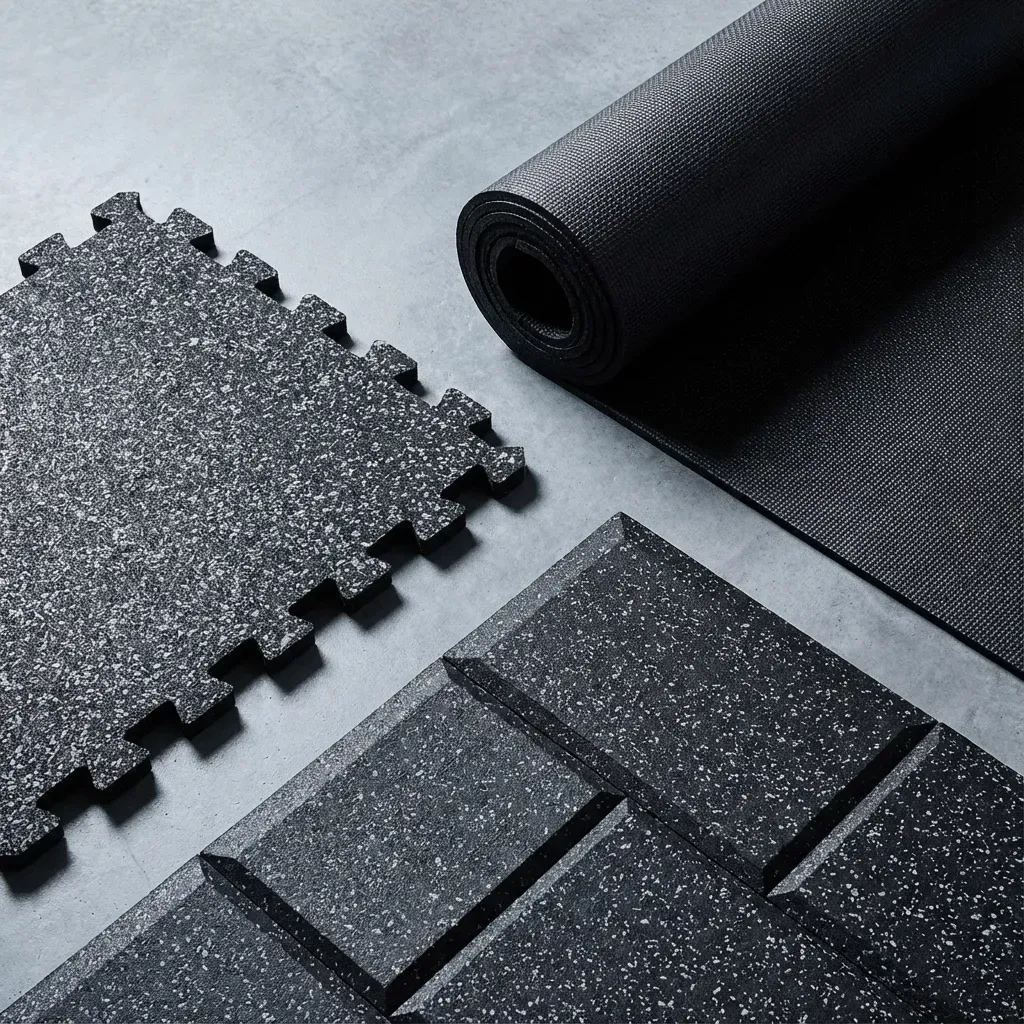
The good news? Rubber flooring consistently ranks as the best choice for home gyms, offering unmatched durability, shock absorption, and noise reduction.
Why Rubber Flooring Wins Every Time
Rubber flooring isn't just popular: it's practical. Here's why it outperforms every other option:
- Superior Impact Protection: Dropped weights won't crack rubber or damage your subfloor.
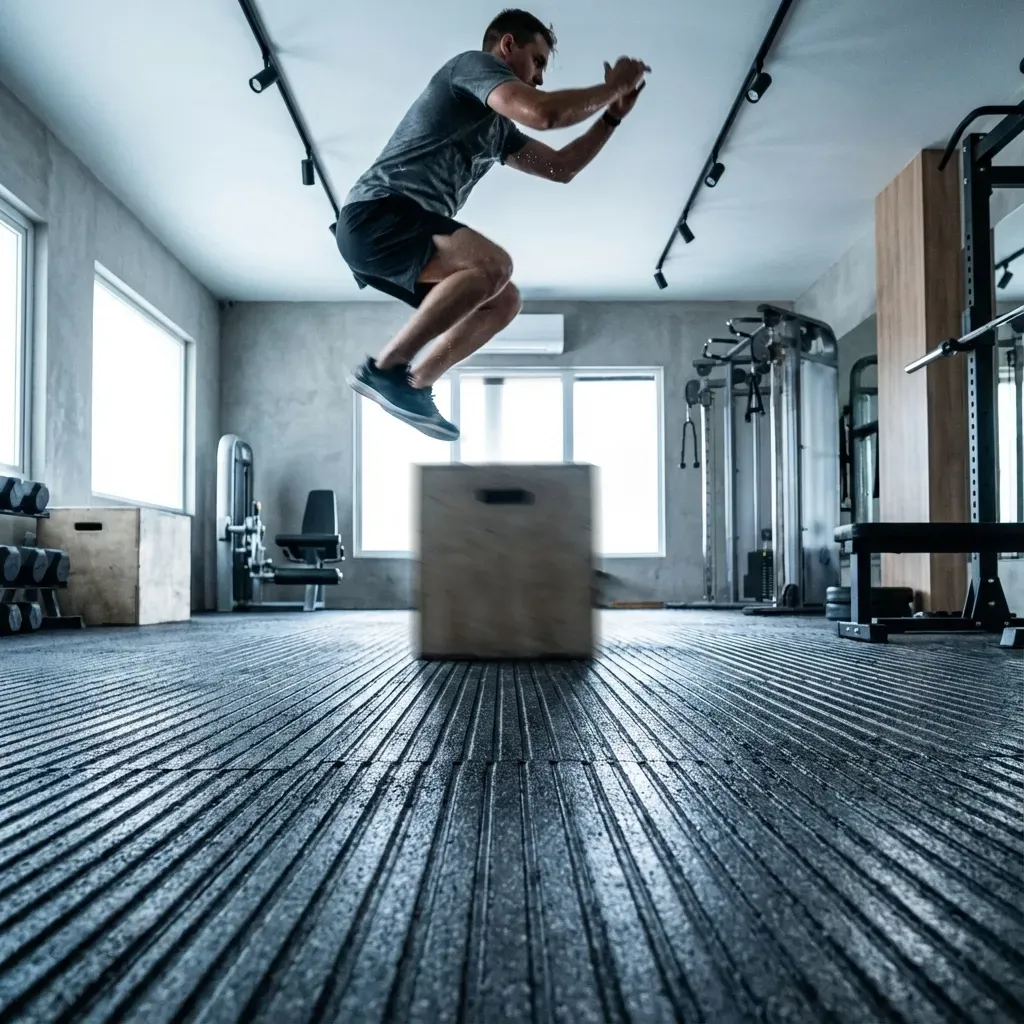
- Excellent Noise Reduction: Rubber dampens footsteps, dropped weights, and jumping.
- Joint-Friendly Cushioning: Reduces stress during high-impact moves.
- Easy Maintenance: Quick to sweep and mop. No special cleaners needed.New paragraph
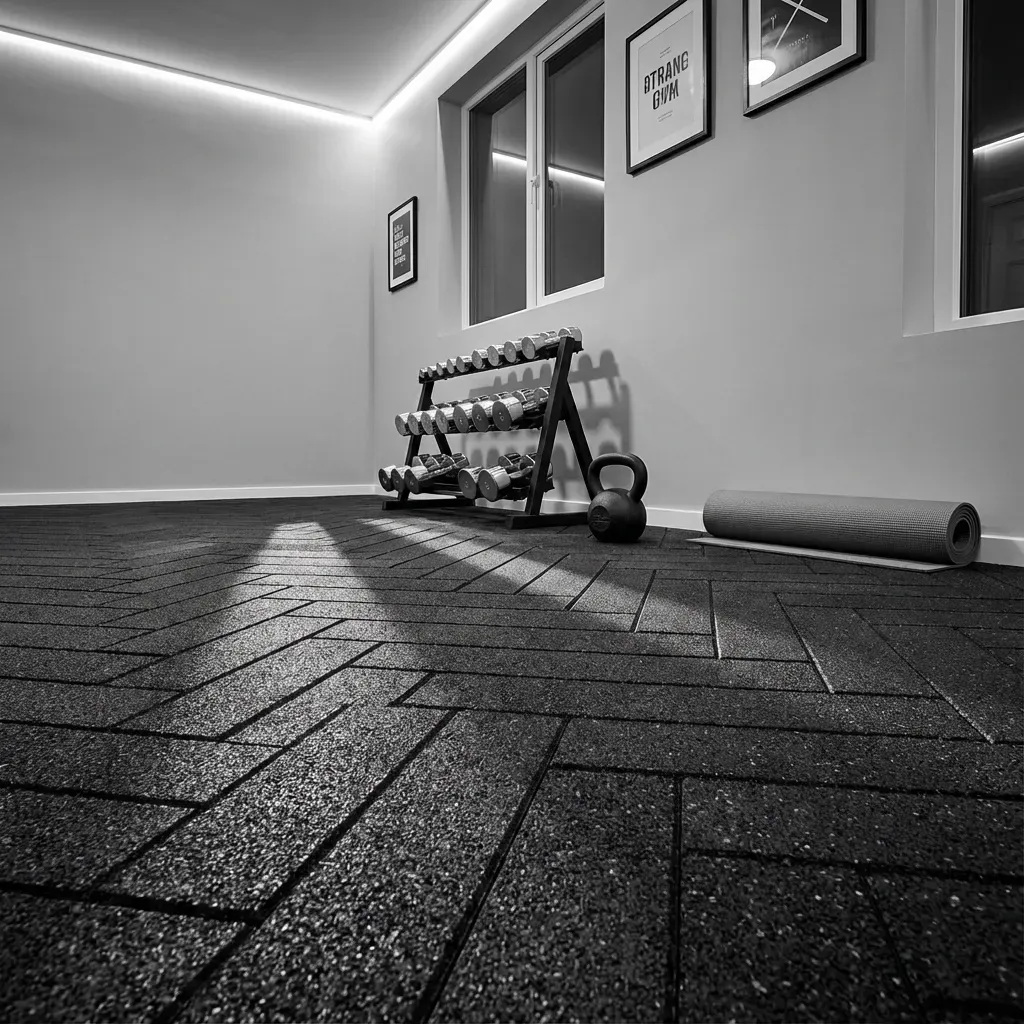
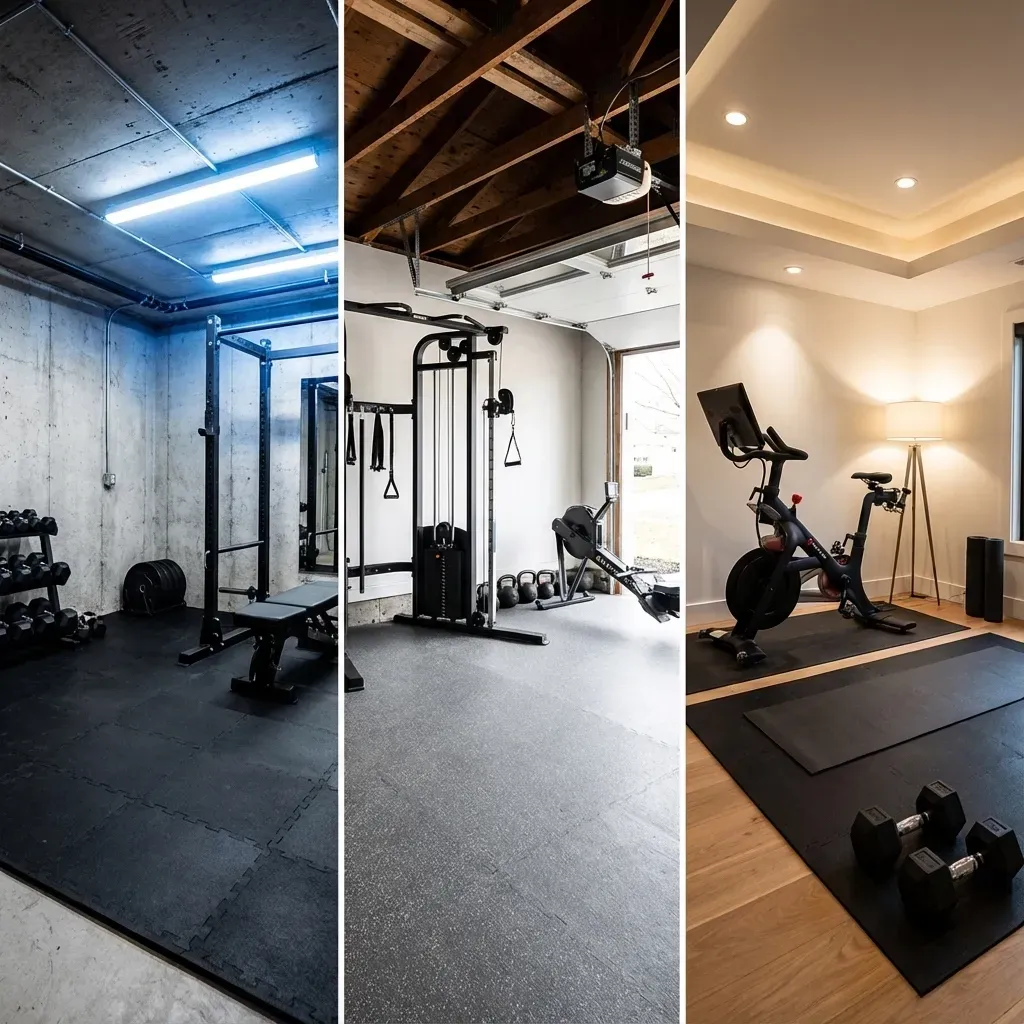
Choosing the Right Space: Basement vs. Garage vs. Spare Room
Each home gym location presents unique flooring challenges:
Basement Gyms
Basements may have moisture concerns. Pick rubber with moisture barriers or elevated tiles for air circulation.
Best Options: Interlocking rubber tiles for basement floors, GFS Connect Tile PURE BLACK.
Garage Gyms
Choose rubber that handles temperature swings and moisture.
Best Options: Heavy-duty rubber rolls, e.g. GFS Pure Black Sports Roll.
Spare Room Conversions
Protect your existing flooring. Use removable rubber mats or tiles, e.g. Pavigym Comfortgym Home Mat.
Popular Home Gym Flooring Options Compared
Rubber Flooring (The Winner)
Pros:
- Excellent shock absorption
- Superior noise reduction
- Highly durable
- Easy to clean
- Protects subfloors
Cons:
- Higher upfront cost
- Can have initial rubber smell
- Heavier to install
Best For: All workout types, especially strength and high-impact exercises.
EVA Foam Mats
Pros:
- Lightweight and portable
- Budget-friendly
- Easy to install
- Comfortable for floor exercises
Cons:
- Not suitable for heavy weights
- Less durable than rubber
- Can compress over time
Best For: Yoga, stretching, and light workouts.
Try the Pavigym Comfortgym Home 7mm for premium quality.
Vinyl Flooring
Pros:
- Attractive appearance
- Easy to clean
- Moisture resistant
- Good for light equipment
Cons:
- Limited shock absorption
- Can dent from heavy equipment
- Not ideal for dropping weights
Best For: Cardio equipment and light strength training.
Cork Flooring
Pros:
- Natural antimicrobial properties
- Good shock absorption
- Environmentally friendly
- Comfortable underfoot
Cons:
- Expensive
- Can be damaged by moisture
- Limited availability
Best For: Yoga studios and low-impact workouts.
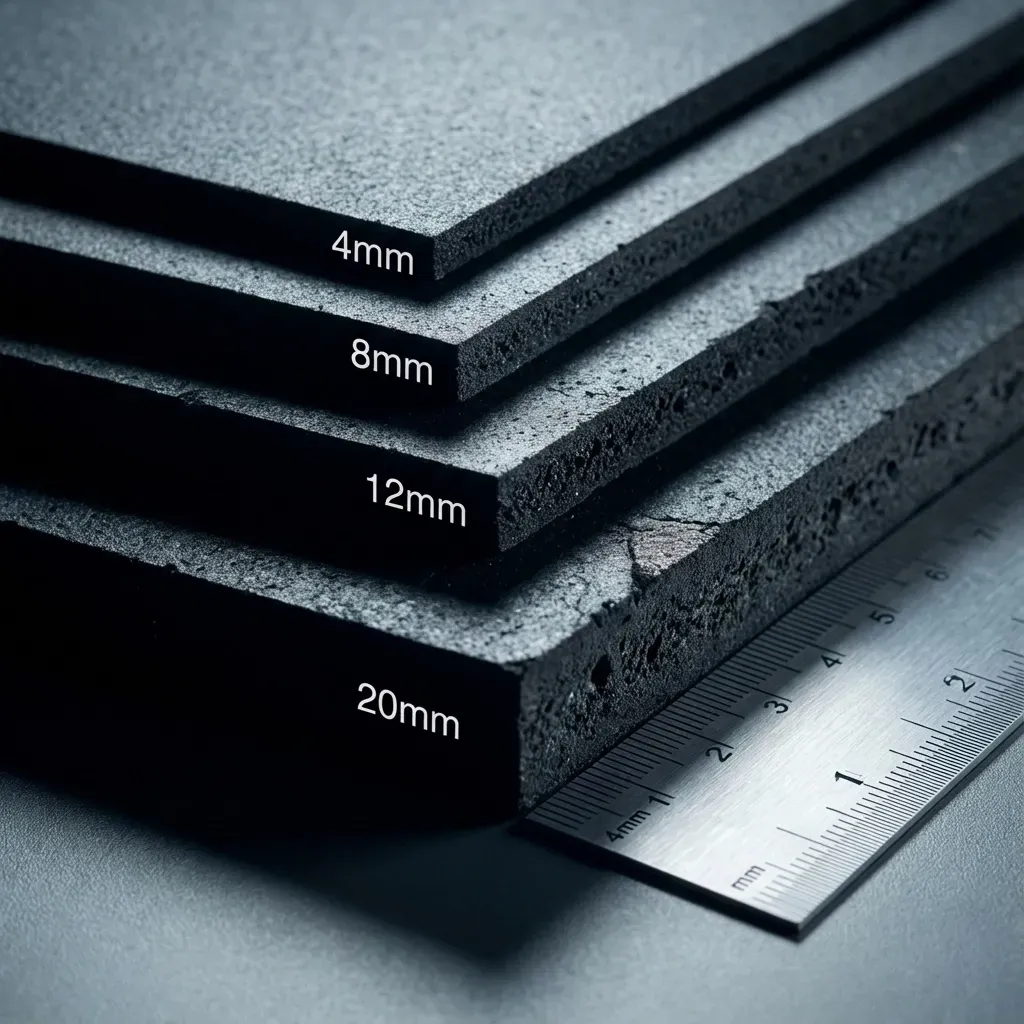
Thickness Matters: Getting the Right Protection
- 4-6mm: Light cardio, stretching
- 8-10mm: Most home gyms, weightlifting
- 12-15mm: Heavy lifting/Olympic lifts
- 20mm+: Commercial or powerlifting
Most setups: 8-10mm is the sweet spot.
Installation Formats: Tiles vs. Rolls vs. Mats
Interlocking Tiles
DIY-friendly tiles like GFS Connect Tile are easy to install and replace.
Flexible layout, no adhesive needed.
Rubber Rolls
Seamless for larger areas. Try the GFS Pure Black Sports Roll.
No seams for dirt, professional look.
Individual Mats
Great for targeting equipment zones or temporary setups.
Portable, affordable, easy to move.
Special Considerations for Workout Types
Strength Training
Heavy weights need protection. Try Pavigym BigJag Acoustic.
Functional Training
For grip, see Pavigym Motion 9mm.
Cardio Zones
Smoother surfaces, good shock absorption.
Flooring Comparison Table
| Flooring Type | Cost | Durability | Shock Absorption | Noise Reduction | Installation |
|---|---|---|---|---|---|
| Rubber Tiles | ££ | Excellent | Excellent | Excellent | Easy |
| Rubber Rolls | £££ | Excellent | Excellent | Excellent | Moderate |
| EVA Foam | £ | Good | Good | Good | Easy |
| Vinyl | ££ | Good | Fair | Fair | Moderate |
| Cork | £££ | Good | Good | Good | Difficult |
Budget-Friendly Options Without Compromising Safety
Try the Pavibasic EVA Gym Mat for lighter workouts.
- Start with high-traffic areas and expand
- Mix thicknesses for zones
- Look for seasonal sales
Installation Tips for Success
- Subfloor must be clean, dry, level
- Leave small gaps for expansion
- Sharp knife, straight edge – clean cuts
- Work from centre outwards
Maintenance
- Daily: Sweep or vacuum debris
- Weekly: Mop with mild soap
- Monthly: Deep clean rubber
- Annually: Inspect and replace if needed
Making Your Final Decision
The best home gym flooring balances your needs, budget, and space. 8-10mm rubber is optimal for most home gyms.
Explore our gym flooring solutions or contact us for advice.
Your home gym deserves flooring that works as hard as you do!
The Gym Flooring Hub